- Products
-
Shops
AI Search

Quartz sand
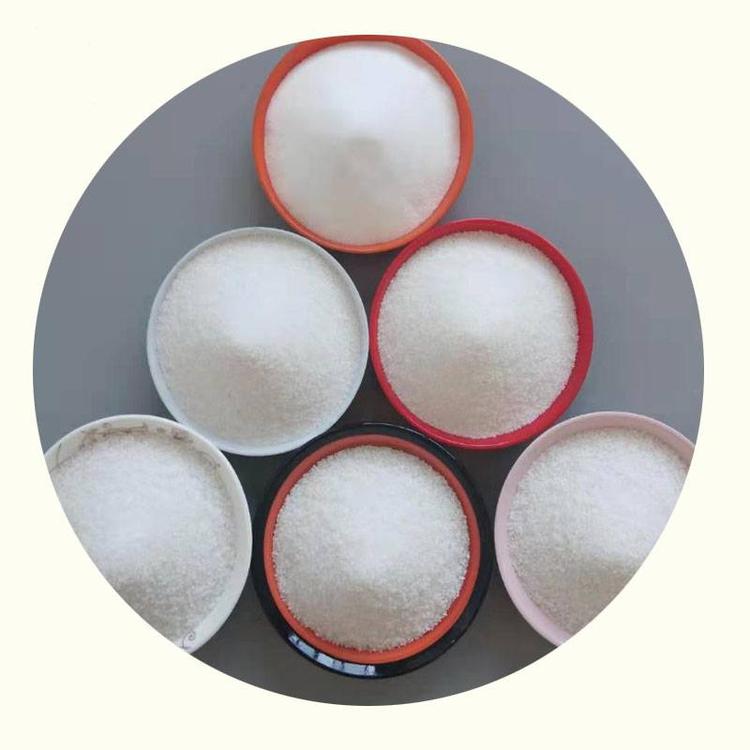
Quartz sand is an important industrial mineral raw material and is not classified as a chemical hazardous substance. It is used in industries such as glass, foundry, ceramics, fireproof materials, smelting ferrosilicon, metallurgical fluxes, metallurgy, construction, chemicals, plastics, rubber, abrasives, and filter media. Quartz sand is a hard, chemically stable silicate mineral, with its main mineral component being SiO2. The color of quartz sand is milky white or colorless and translucent, with a hardness of 7. It is brittle, has no cleavage, exhibits a conchoidal fracture, and has a greasy luster. Its density is 2.65, with a bulk density of 1.6~1.8 for 1-20 mesh and 1.5 for 20-200 mesh. Its chemical, thermal, and mechanical properties show significant anisotropy. It is insoluble in acids and slightly soluble in KOH solution, with a melting point of 1750°C. Quartz has high fire resistance.
In industry, quartz sand is commonly classified into several types: ordinary quartz sand, refined quartz sand, high-purity quartz sand, fused quartz sand, and silica micro powder, among others. The physical and chemical properties of quartz sand give it a pivotal role in fields such as electronics, machinery, and the rapidly developing IT industry. In particular, its intrinsic molecular chain structure, crystal shape, and lattice variation patterns endow it with characteristics such as a low thermal expansion coefficient, high insulation, piezoelectric effect, resonance effect, and optical properties, making it increasingly important in many high-tech products.
Common specifications of quartz sand: 0.5-1.0mm, 0.6-1.2mm, 1-2mm, 2-4mm, 4-8mm, 8-16mm, 16-32mm.