- Products
-
Shops
AI Search

Fluorite
Fluorite, also known as fluorspar:
1. Product Introduction:
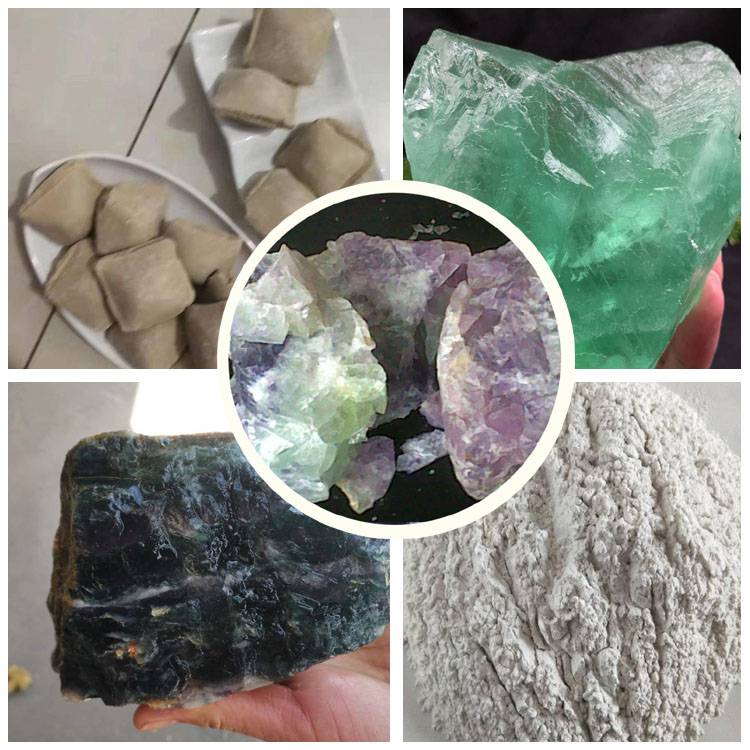
Fluorite comes in a variety of beautiful colors, commonly appearing in shades such as green, pink, blue, purple, gray, white, black, and yellow. It is not uncommon for multiple colors to coexist on a single piece of fluorite, which is also referred to as a gemstone. Fluorite is a mineral with a relatively low melting point (1270-1350°C). Some varieties exhibit thermoluminescence, emitting light after exposure to sunlight, and fluoresce under cathode rays.
Another important use of fluorite is in the production of hydrofluoric acid. Hydrofluoric acid is produced by reacting acid-grade fluorite (fluorspar concentrate) with sulfuric acid in a heating furnace or tank. It comes in anhydrous and aqueous forms, both of which are colorless liquids that are volatile, have a strong pungent odor, and are highly corrosive. It is a key raw material for producing various organic and inorganic fluorides and fluorine elements.
2. Quality Indicators:
Calcium Fluoride: 60-80% 80-90% 90% and above
Silicon dioxide: 12-20%
Sulfur: 0.15-0.2%
Phosphorus: 0.03-0.05%
3. Packaging Specifications:Bagged, bulk.
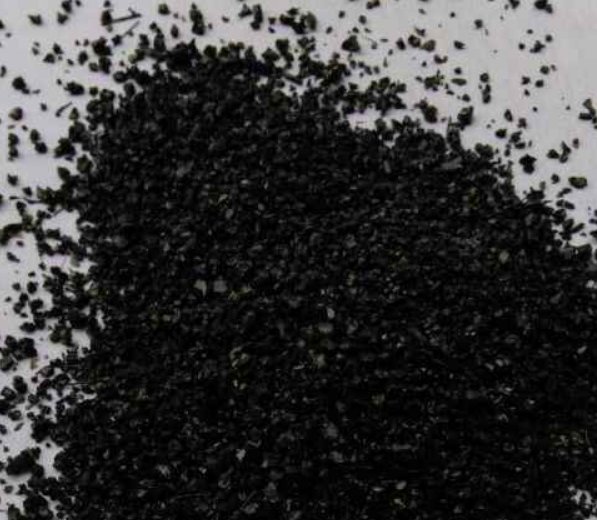
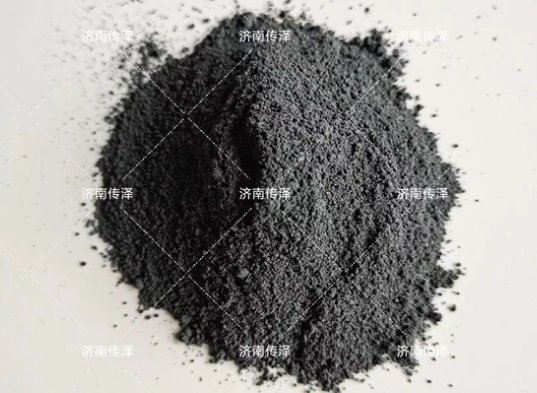
Color specifications:White, purple, black
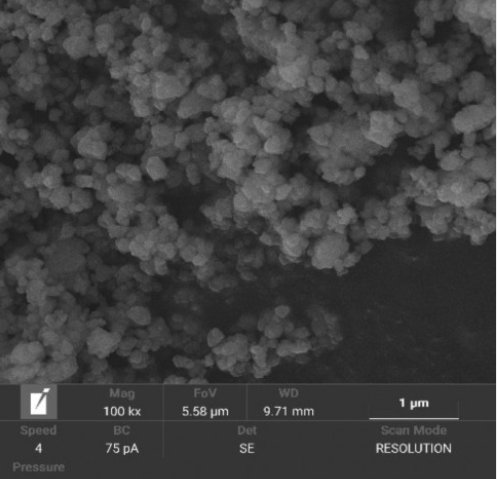
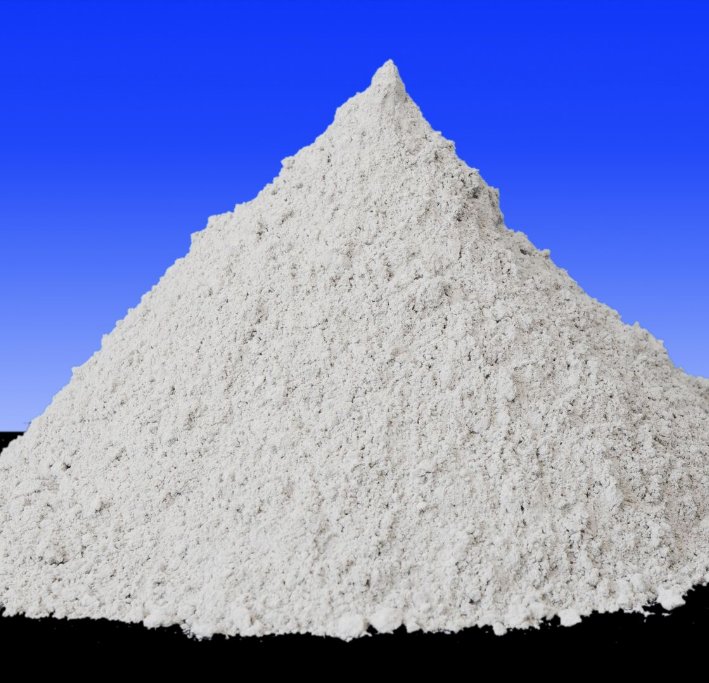
100 mesh, 200 mesh, 325 mesh, 400 mesh, 600 mesh, 800 mesh, 1250 mesh, 1500 mesh, 2000 mesh, 3000 mesh, etc. Other specifications can be customized.
Main Uses:
Metallurgical Industry
Flux and slagging agents for ironmaking, steelmaking, and ferroalloys; raw material for producing synthetic cryolite.
Cryolite is used as a flux in aluminum electrolysis, an opacifier in enamel, and a light-shielding agent in glass.
·Chemical Industry
The main raw material for producing anhydrous hydrofluoric acid.
In the production of cement clinker in the cement industry, mineralizers can lower the sintering temperature, facilitate calcination, shorten the burning time, and save energy.
·Glass Industry
Raw materials for producing emulsified glass, opaque glass, and colored glass can lower the melting temperature of glass.
Improve the molten mass, accelerate melting, thereby reducing the fuel consumption ratio.
·Ceramic Industry
A flux used in the manufacturing process of ceramics and enamel, and also an indispensable component in the preparation of glazes.