- Products
-
Shops
AI Search

Active Calcium CarbonateProduction process
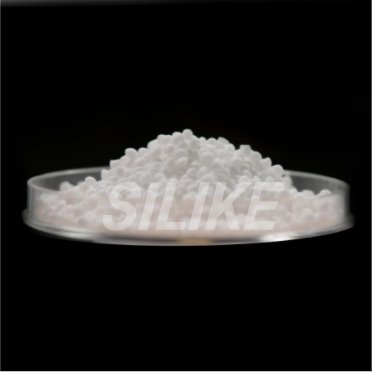
Active Calcium CarbonateThe production process is largely similar to that of light calcium carbonate, but during the carbonization stage, conditions must be strictly controlled to generate fine calcium carbonate particles, which are then surface-treated with an activator. Specifically, limestone is mixed with coal at a ratio of approximately 7.5 and calcined in a lime kiln at 900-1000°C. The carbon dioxide is sent to a carbonization tower after washing and dust removal, while the quicklime is transferred to a digestion tank, where it is fully digested with hot water at 80-90°C to produce a slurry with a concentration of about 9%. This slurry enters the carbonization tower, where carbon dioxide is introduced for carbonization. The reaction endpoint is reached when the pH value of the carbonizing suspension equals 7. At this point, an activator is introduced for surface treatment of the generated calcium carbonate. Surface treatment can be carried out using either dry or wet methods, with the wet method being commonly adopted, as it produces activated calcium carbonate with high activation, good dispersion, and high transparency. Currently, commonly used activators include titanate coupling agents, stearic acid, and lignin, with a dosage of approximately 1%-5%. After the aforementioned chemical treatment, the slurry is dewatered, separated, and dried to obtain a finished product with high whiteness.
A factory producing general light calcium carbonate can produce qualified activated calcium carbonate products, increase product added value, and create benefits by simply improving certain equipment and processes, such as upgrading the reaction tower, adding temperature control, gas flow regulation, and surface modification.