- Products
-
Shops
AI Search
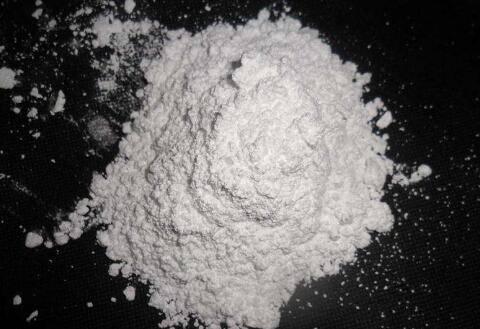
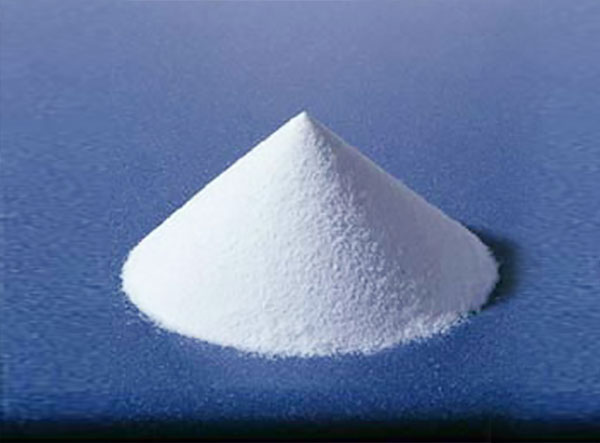
The main components of hydrated lime include calcium hydroxide, active pressure resistance, and saturated alkaline solution. Hydrated lime is highly effective in wastewater treatment for adjusting pH, aiding coagulation, removing phosphates, and sterilization. It is particularly suitable for treating acidic heavy metal wastewater, such as electroplating wastewater, leather wastewater, and mining wastewater, offering excellent results at low cost. It is a primary agent used by various enterprises for wastewater treatment. Below, we introduce the dosing methods and precautions for using hydrated lime in wastewater.
The dosing method of hydrated lime.
The dosing methods of hydrated lime in wastewater treatment are divided into two types: dry dosing and wet dosing. Dry dosing is relatively simple, as it involves directly adding hydrated lime powder into the reaction tank without the need for preparation. It can roughly adjust the pH value of strongly acidic wastewater. The dosage is primarily controlled by regulating the pH value.
The wet dosing method is relatively complex, as it requires the preparation of a solution first. The powdered product is mixed into a 5% to 8% concentration aqueous solution, continuously stirred until it becomes a suspension, and then added to the wastewater for application.
Experimental precautions for slaked lime:
Before conducting the slaked lime usage experiment, inspect all utensils to ensure the piston is flexible and leak-free. During the experiment, pay attention to the posture of holding the piston; do not press the piston with the palm of your hand. When weighing the sample, minimize its contact with air as much as possible, speed up the weighing process, and reduce errors. When dissolving the sample, use a glass rod for guidance or add pure water along the wall of the cup, and stir thoroughly. Before using the hypochlorous acid standard solution, shake it evenly.
Hydrated lime, as a major product in water treatment, is also an important agent in bactericidal and algicidal treatments. However, its most widespread application is in wastewater treatment, where it replaces caustic soda as a substitute alkali for industrial wastewater treatment and for disinfection and sterilization in domestic sewage treatment.