- Products
-
Shops
AI Search

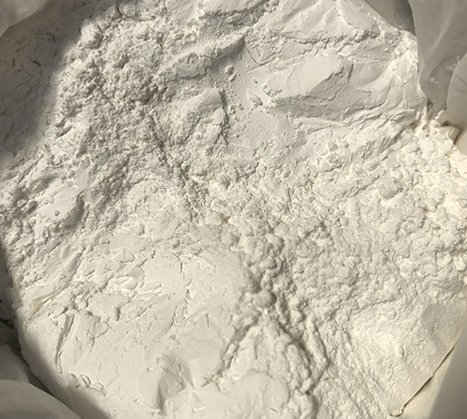
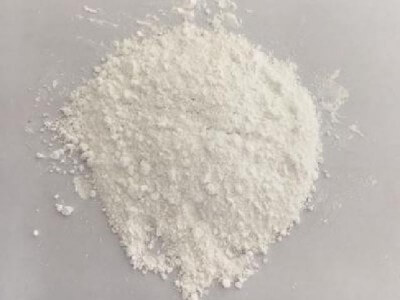
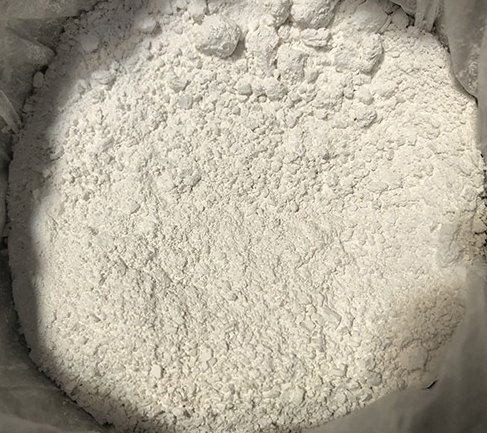
White fused alumina is produced using industrial alumina powder as raw material, which is melted in an electric arc furnace at temperatures exceeding 2000°C and then cooled. It undergoes crushing, shaping, magnetic separation to remove iron, and sieving into various particle sizes. With a dense structure, high hardness, and angular grain shapes, it is suitable for manufacturing ceramic and resin-bonded abrasives, as well as for grinding, polishing, sandblasting, precision casting (specialized fused alumina for precision casting), and other applications. It can also be used to produce advanced refractory materials. Its code "WA" aligns with international and national standards. Most of the product is exported, with a certain amount also supplied to domestic users. The product particle sizes are manufactured according to international and national standards, and processing can be customized based on user requirements. The common particle size range is F4 to F320, with chemical composition varying depending on particle size. A notable feature is its small crystal size and impact resistance. If processed using a self-grinding mill, the particles are mostly spherical, with a clean surface that facilitates bonding with binders.
White corundum product applications:
1. White fused alumina abrasives can be used in various sandblasting and lapping operations;
2. White fused alumina abrasives can be used for matte aesthetic processing of poly or acrylic crafts.
3. White corundum abrasive can be used for sandblasting in the TV screen manufacturing process.
4. White fused alumina abrasives can be used for cutting silicon wafers.
5. White corundum abrasive can be used for cleaning and sandblasting dental molds.
6. White fused alumina abrasives can be used in precision casting.
7. White fused alumina abrasives can be used as additives in advanced refractory materials and other ceramics.
8. It can be used for fixed and coated abrasives, wet or dry or jet sanding, suitable for ultra-precision grinding and polishing in the crystal and electronics industries, as well as for manufacturing advanced refractory materials, etc.
9. Suitable for processing materials with higher hardness and greater tensile strength, such as quenched steel, alloy steel, high-speed steel, and high-carbon steel.
10. Precision and simple surface treatment of metal products and optical products. It can also be used as a catalyst, insulator, and precision casting sand, among others.