- Products
-
Shops
AI Search

Specifications: 320#, 280#, 240#, 220#, 180#, 100#, 80#, 60#, 46#, 36#, 30#, 24#, 22#, 16#
Product Performance:
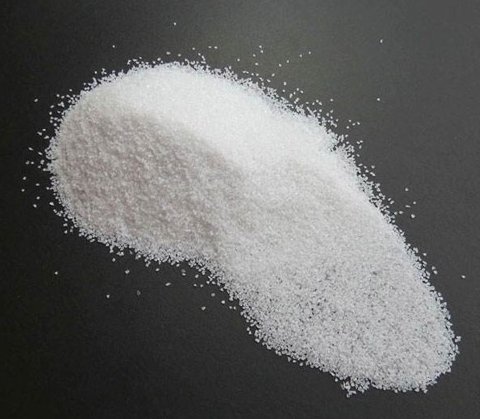
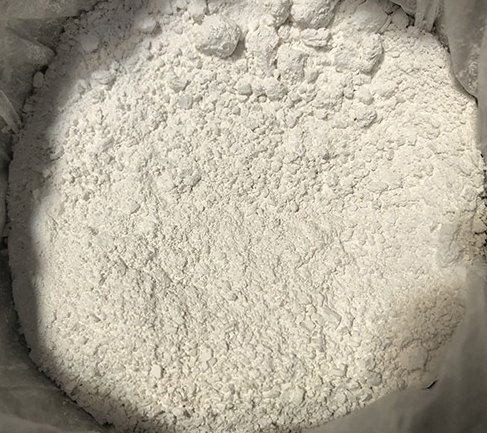
White corundum is made from industrial alumina powder, which is smelted at temperatures above 2000°C in an electric arc furnace and then cooled. It undergoes crushing, shaping, magnetic separation to remove iron, and sieving into various particle sizes. With a dense texture, high hardness, and sharp angular particle shapes, it is suitable for manufacturing ceramic and resin-bonded abrasives, as well as for grinding, polishing, sandblasting, precision casting (special corundum for precision casting), and other applications. It can also be used to produce advanced refractory materials, with the code "WA".
Product Applications:
Scope of Application: White fused alumina abrasives are suitable for surface finishing of various high-end products, processes, or hardware items. After sandblasting, the surface is pure white without any impurities, eliminating the need for cleaning. Fine-grade white fused alumina can be used as the top choice for polishing and grinding. It can also be used as an additive for various products. It can be used to manufacture bonded and coated abrasives, for wet or dry blasting, and is suitable for ultra-precision grinding and polishing in the crystal and electronics industries, as well as for producing advanced refractory materials. It is suitable for processing materials with high hardness and high tensile strength, such as quenched steel, alloy steel, high-speed steel, and high-carbon steel. It can also be used as a catalyst, insulator, and precision casting sand. For iron workpieces, it removes rust, dirt, and oxide scale, enhancing the adhesion of coatings and platings; for aluminum workpieces, it removes oxide scale, strengthens the surface, and provides a decorative finish; for copper workpieces, it removes oxide scale and creates a matte effect; for glass products, it provides frosted and patterned effects; for plastic products, it creates a matte finish; and for special fabrics such as denim, it is used for fluff processing and pattern effects.
1. Surface Processing: Removal of metal oxide layers, carbide black skin, dirt and rust from metal or non-metal surfaces, such as removing oxides or mold release agents from gravity die-casting molds and rubber molds, eliminating black spots on ceramic surfaces, removing uranium stains, and restoring painted finishes.
2. Finishing and Processing: Matte or frosted surface treatment for various gold, K-gold jewelry, and precious metal products; frosted finishing for non-metals such as crystal, glass, corrugated surfaces, and acrylic; as well as creating a metallic luster on the surface of processed items.
3. Etching processing: Etching artistry on jade, crystal, agate, semi-precious stones, seals, elegant stones, antiques, marble tombstones, ceramics, wood, bamboo slices, etc.
4. Pre-treatment processing: Pre-treatment before coating with Teflon (TEFLON), PU, rubber, plastic, rubber rollers (ROLLER), electroplating, metal spraying, titanium plating, etc., to increase surface adhesion.
5. Edge trimming: Removal of burrs from materials such as bakelite, plastic, zinc, aluminum die-cast parts, electronic components, and magnetic cores.
6. Stress Relief Processing: Stress relief processing for components in aerospace, defense, and precision industries, including rust removal, paint stripping, matte finishing, and refurbishment.