- Products
-
Shops
AI Search


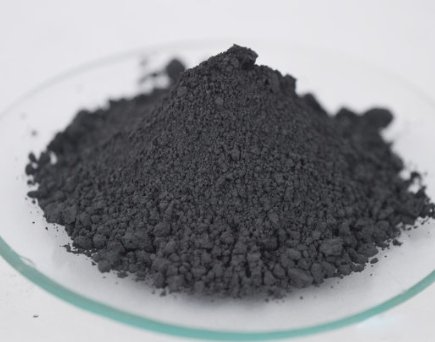
Function in friction materials:
1. Reduce the friction coefficient at low temperatures to minimize wear.
2. At high temperatures, oxidation during the friction process transforms it into molybdenum trioxide and molybdenum trisulfide, losing its layered structure. While it cannot reduce the friction coefficient, it can inhibit the transfer of resin to the steel surface, effectively reducing composite wear, improving its wear resistance, and extending its service life.
3. The oxidation products MoO₃, MoS₃, and MoS₂ form copolymer particles. As the temperature increases, these copolymer particles expand, thereby generating a friction-enhancing effect.
Item | 特级品 Best Class | First Class |
Molybdenum disulfide ≥ MoS2 | 99 | 98.0 |
Total Insolubles ≤ | 0.5 | 0.65 |
Molybdenum trioxide ≤ MoO3 | 0.15 | 0.25 |
Iron ≤ Fe | 0.15 | 0.25 |
水分≤ Moisture | 0.2 | 0.3 |
Silicon dioxide ≤ SiO2 | 0.10 | 0.20 |
Daye Duxin Friction Powder Co., Ltd.
Please let us know if you are inquiring about...「New Material Help」I saw it online; it helps facilitate the transaction.。