- Products
-
Shops
AI Search
Rutile-type silicon carbide
Product Introduction: Silicon carbide (SiC) is produced by smelting raw materials such as quartz sand, petroleum coke (or coal coke), and sawdust at high temperatures in a resistance furnace. In nature, silicon carbide also exists as a rare mineral known as moissanite. Silicon carbide is also referred to as carborundum. Among contemporary non-oxide high-tech refractory materials such as C, N, and B, silicon carbide is the most widely used and cost-effective option. It can be called emery or refractory sand. Silicon carbide is manufactured by smelting raw materials like quartz sand, petroleum coke (or coal coke), and sawdust (with the addition of salt when producing green silicon carbide) at high temperatures in a resistance furnace.
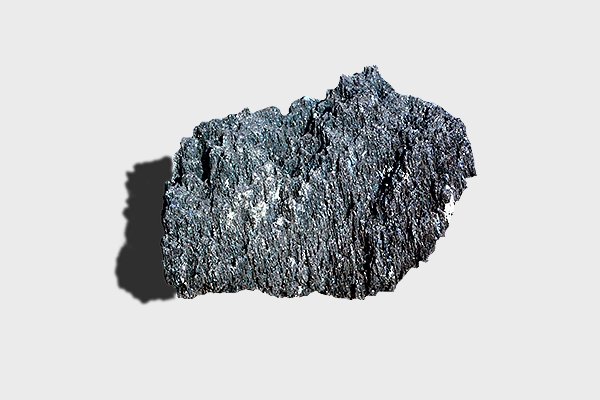
Currently, the silicon carbide produced industrially in China is divided into two types: black silicon carbide and green silicon carbide. Both are hexagonal crystals with a specific gravity of 3.20 to 3.25 and a microhardness of 2840 to 3320 kg/mm². Pure silicon carbide is a colorless and transparent crystal. Industrial silicon carbide appears light yellow, green, blue, or even black, depending on the type and content of impurities it contains, and its transparency varies with its purity.