- Products
-
Shops
AI Search
Product Features
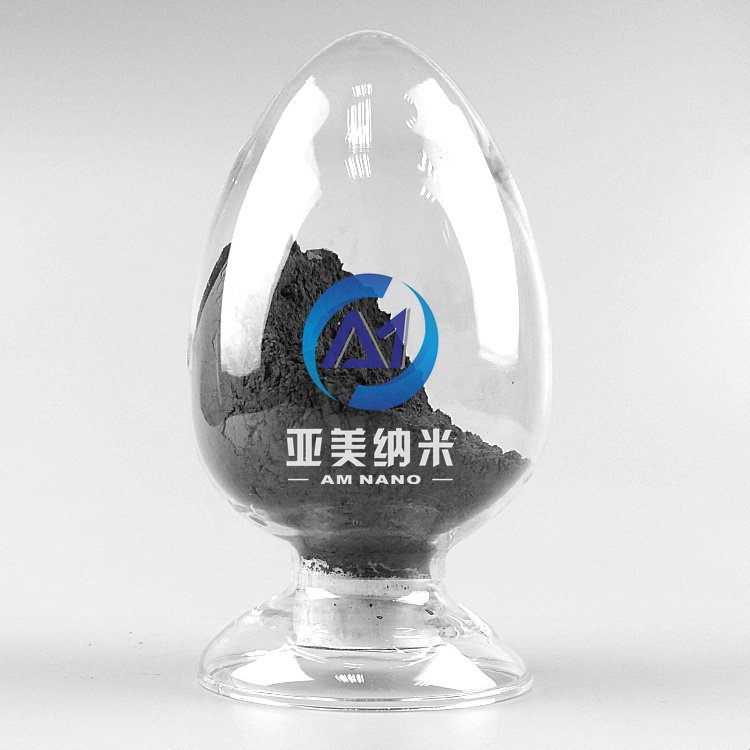
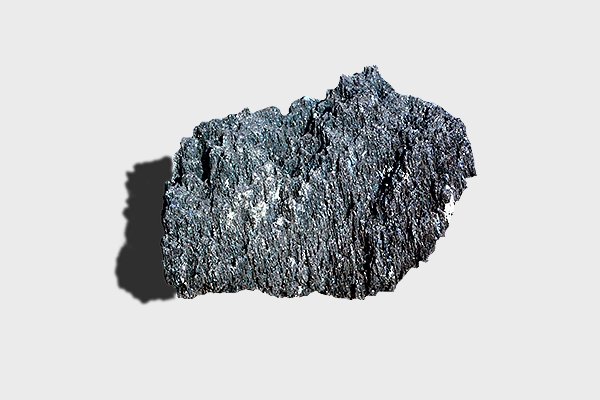
The ternary layered compound MAX phase is a novel type of metal-ceramic functional material, characterized by a hexagonal layered structure at the microscopic level, composed of alternating MX layers and A atomic layers. This class of ceramics includes over sixty types of ternary carbides or nitrides. M represents early transition metals; A represents main group elements; X represents carbon or nitrogen. Transition metal carbides and nitrides are referred to as MXenes. MXenes are MAX phases with metallic conductivity, obtained by selectively etching one element, and are layered solids bonded through strong metallic, ionic, and covalent bonds, such as Ti2AlC, Ti3AlC2, and Ta4AlC3. MXenes combine the surface hydroxyl and oxygen groups of transition metal carbides to terminate metallic conductivity. They are inherently conductive. Our company has independently developed and prepared Mo3AlC2, with a purity of Mo3AlC2 (312 structure) exceeding 98%. The main difference among the 211, 312, and 413 phases lies in the number of M atoms between every two A atomic layers in the crystal. Strong covalent bonds exist between MX layers, while weak covalent bonds connect MX layers with A atomic planes, making it easier for A atoms to detach from the MX layers. This unique chemical bonding property endows the MAX phase with excellent performance. As the thickness of the MX layers increases, the performance approaches that of the corresponding M-X binary carbides, and the performance of the MAX phase can be improved by adjusting the thickness of the MX layers.
Storage Conditions
This product should be stored in a sealed, dry, and cool environment. It should not be exposed to air for prolonged periods to prevent moisture absorption and agglomeration, which may affect its dispersion performance and effectiveness. Additionally, avoid heavy pressure, keep away from oxidizers, and transport as ordinary cargo.