- Products
-
Shops
AI Search

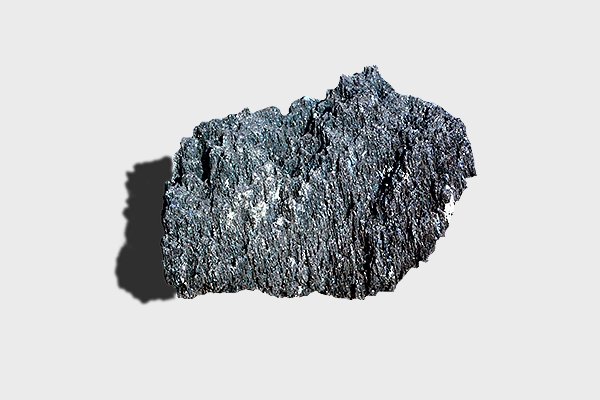
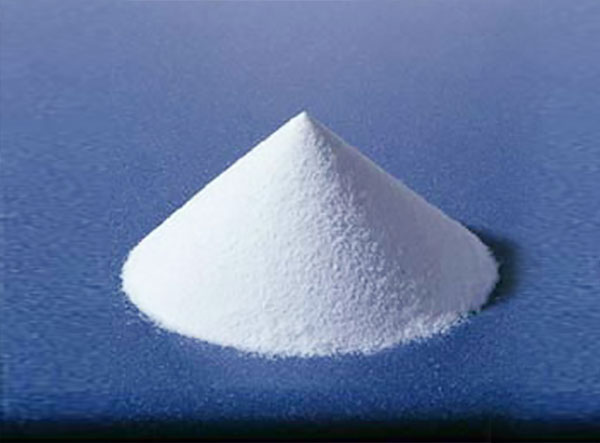
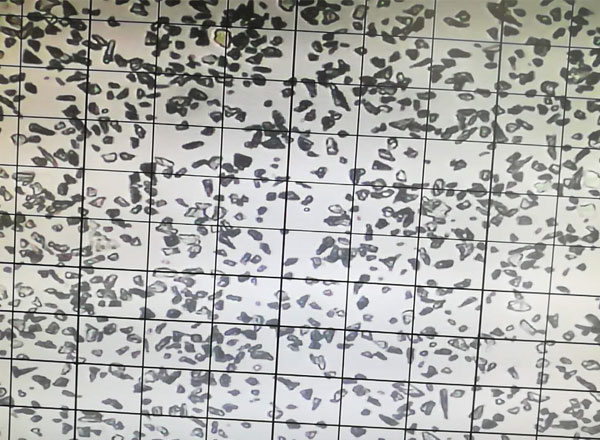
Cubic silicon carbide possesses high hardness, chemical corrosion resistance, good mechanical strength, thermal conductivity, and excellent wear resistance. It also exhibits outstanding chemical and thermal stability, superior room-temperature and high-temperature strength, high hardness, high-temperature conductivity, and a specific gravity that is half that of most metal alloys. These numerous properties make cubic SiC silicon carbide micropowder widely applicable. Silicon carbide is used to prepare metal-based, ceramic-based, and polymer-based composite materials. The specific applications are summarized as follows:
1. Applications in the Nonferrous Metal Smelting Industry Silicon carbide is utilized due to its high-temperature resistance, high strength, excellent thermal conductivity, and impact resistance. It serves as a high-temperature indirect heating material, such as in vertical retort distillation furnaces. Applications include distillation tower trays, aluminum electrolytic cell linings, copper melting furnace linings, arc plates for zinc powder furnaces, and thermocouple protection tubes.
2. Applications in the Steel Industry Leveraging silicon carbide's corrosion resistance, thermal shock resistance, wear resistance, and good thermal conductivity, it is used in large blast furnace linings to extend service life.
3. Applications in the Metallurgical and Mineral Processing Industry Silicon carbide has a hardness second only to diamond and exhibits strong wear resistance, making it an ideal material for wear-resistant pipes, impellers, pump chambers, cyclones, and mining bucket linings. Its wear resistance is 5–20 times greater than that of cast iron and rubber, and it is also one of the ideal materials for airport runways.
4. Applications in the Building Materials, Ceramics, and Grinding Wheel Industries Leveraging its thermal conductivity, thermal radiation, and high thermal strength, silicon carbide is used to manufacture thin-plate kiln furniture. This not only reduces the capacity of the kiln furniture but also increases the kiln's loading capacity and product quality while shortening the production cycle. It is an ideal indirect material for the baking and sintering of ceramic glazes. With its high hardness, chemical stability, and certain toughness, silicon carbide can be used to produce bonded abrasives, coated abrasives, and free abrasives. These are employed in processing glass, ceramics, stone, cast iron, certain non-ferrous metals, cemented carbides, titanium alloys, high-speed steel tools, and grinding wheels.
5. Applications in Energy Conservation Leveraging the excellent thermal conductivity and thermal stability of Hongwu Nano Silicon Carbide Micro Powder, it is used in heat exchangers, reducing fuel consumption by 20%, saving fuel by 35%, and increasing productivity by 20-30%. In particular, when applied as the inner lining of discharge and transport pipelines in mining beneficiation plants, its wear resistance is 6–7 times that of ordinary wear-resistant materials.
6. Refractory and corrosion-resistant materials --- mainly because silicon carbide has a high melting point (decomposition temperature), chemical inertness, and thermal shock resistance, it can be used for various silicon carbide ceramic products such as grinding tools, kiln furniture like saggars and shelves used in ceramic product firing kilns, silicon carbide bricks for vertical retort distillation furnaces in the zinc smelting industry, aluminum electrolytic cell linings, crucibles, and small furnace components.