- Products
-
Shops
AI Search

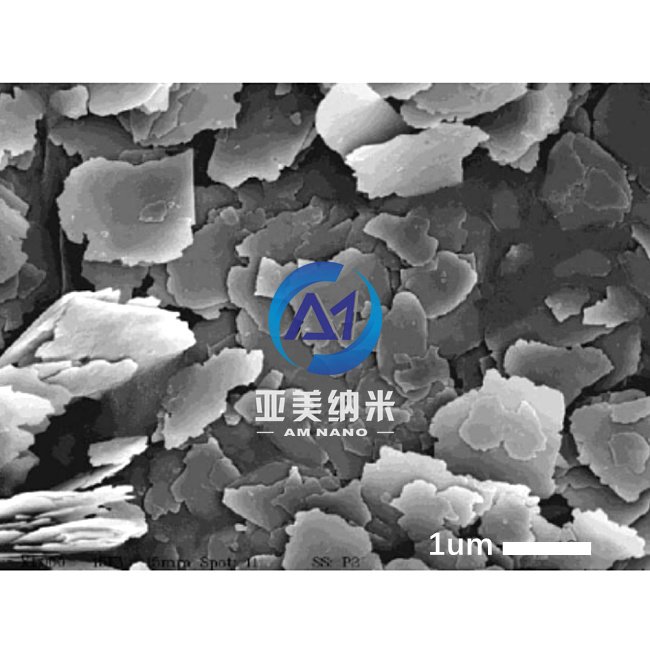
Flake aluminum powder, characterized by its high aspect ratio, two-dimensional planar structure, excellent shielding effect, and unique flop effect, is widely used in industries such as Dacromet coatings, high-end automotive topcoats, paints, inks, and printing. However, due to the confidentiality and blockade of flake aluminum powder preparation technologies by some enterprises with advanced foreign technologies, China is still unable to produce high-end flake aluminum powder products. This study primarily employs a combination of high-energy ball milling and drum ball milling, conducting experimental research on different additives under both dry and wet processes to analyze the effects and functions of these additives during the aluminum powder milling process. The effectiveness of the additives was preliminarily determined through tests such as apparent density, sieve analysis, and water coverage area. The size and morphology of fine aluminum powder particles were examined using particle size distribution analysis and SEM scanning electron microscopy. Finally, XPS photoelectron spectroscopy was used to further investigate the roles of certain active groups and functional groups in the additives in terms of grinding aid, coating, and modification of aluminum powder particles.