- Products
-
Shops
AI Search


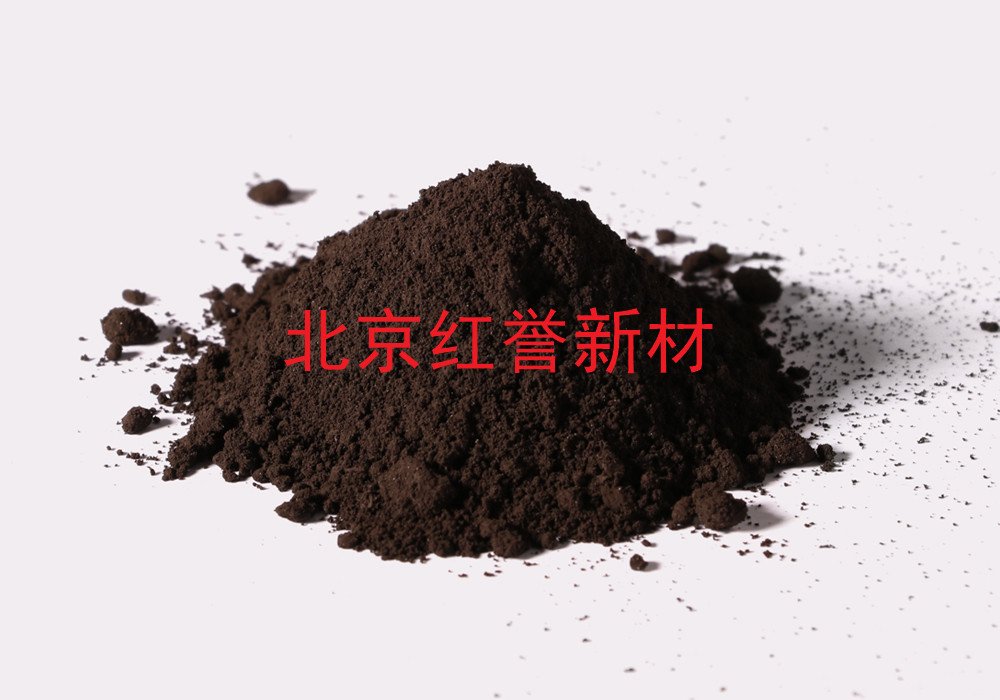
The content of boron in the Earth's crust is 0.001%. Boron is a black or silver-gray solid. Crystalline boron is black, with a hardness second only to diamond, and is relatively brittle in texture. Boron is named "Boron," a term derived from Arabic, originally meaning "flux." This indicates that ancient Arabs already knew that borax has the ability to melt metal oxides and was used as a flux in welding.
Boron is primarily used in metallurgy, electronics, medicine, ceramics, nuclear industry, and chemical engineering, either in the form of compounds or as additives in alloys. It is used in the smelting of special alloy steels and as a gas scavenger for molten steel; in the electronics industry, it is used in the ignition electrodes of ignitrons; in atomic reactors, it is used in control rods and as high-energy fuel for rockets. Boron is an important raw material for producing high-purity boron halides and serves as a precursor for preparing various boron compounds. It can replace and conserve significant amounts of valuable and scarce metals. Boron and its compounds are also used as catalysts in organic chemical reactions, among other applications.
Beijing Hongyu New Material Technology Co., Ltd.
Please let us know if you are inquiring about...「New Material Help」I saw it online; it helps facilitate the transaction.。