- Products
-
Shops
AI Search

I. Product Introduction
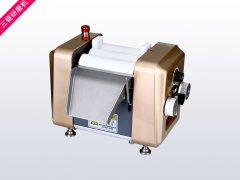
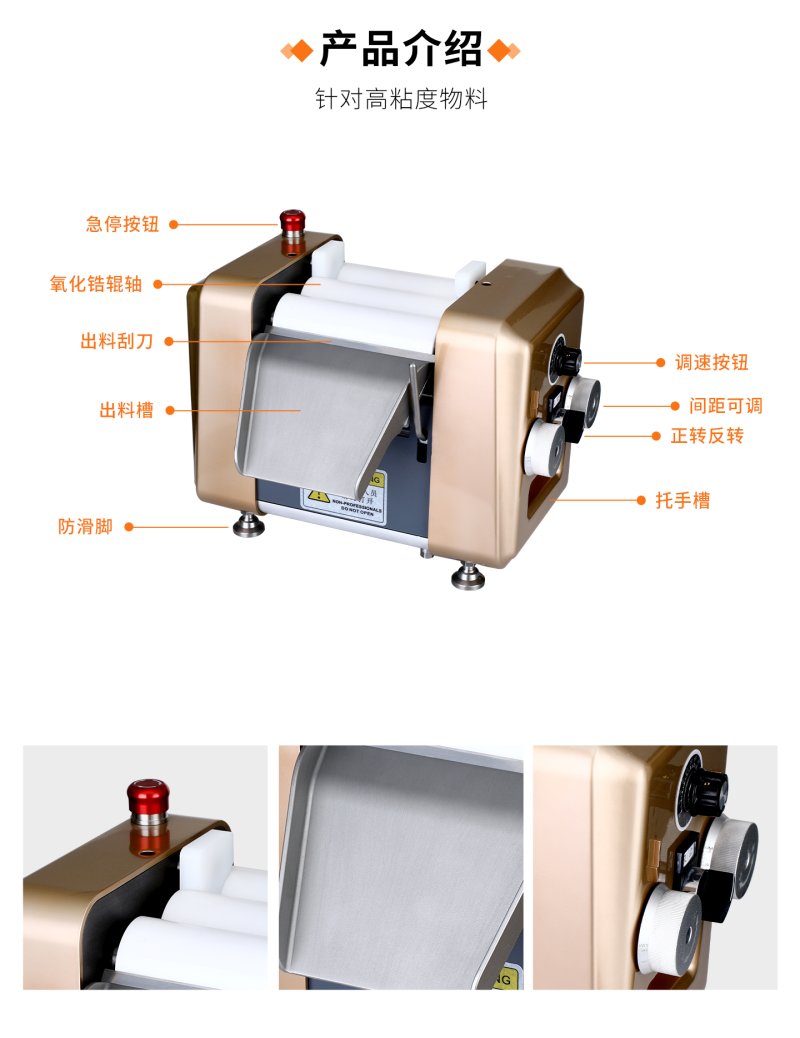
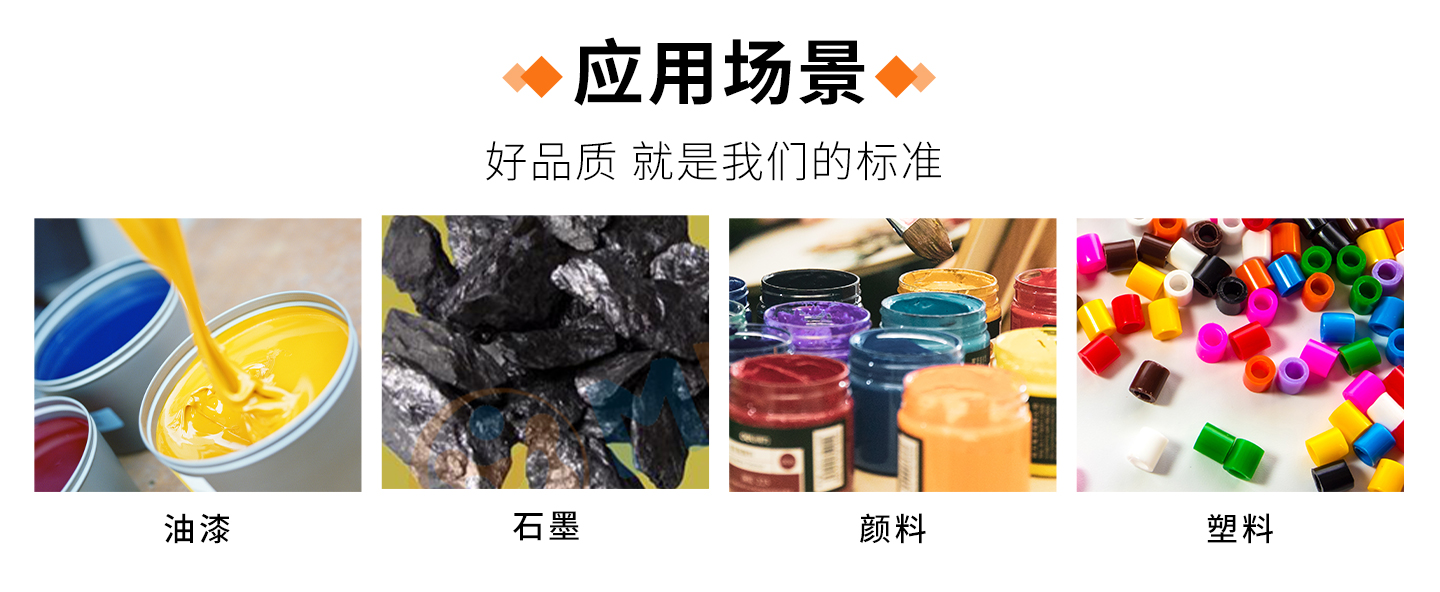
The three-roll mill is primarily used for grinding paste-like materials such as paints, inks, pigments, plastics, and food products. The machine achieves grinding through the mutual squeezing and friction at different speeds of three horizontally arranged roller surfaces. Generally, materials can meet requirements after being ground twice, while difficult-to-grind materials require multiple passes. The final fineness can typically reach around 3-18μm (measured with a fineness scraper). However, it is not suitable for grinding materials containing acidic or alkaline components or those that may cause roller corrosion. It is mainly used as key equipment for grinding and dispersing high-viscosity materials such as paints and inks. Applicable material viscosity is ≤3,000,000 CPS, the speed controller is a knob-type regulator, surface roughness is 0.3μm, and ceramic precision is less than 2μm.
II.Application
It can be used for small-scale research and development, laboratory, and production fields. The equipment is also applicable for processing industrial branch products, such as cosmetics, dyes, medical pharmaceuticals, ceramics, lubricants, adhesives, food, electronics, chemical industry, and new materials.
III. Product Features
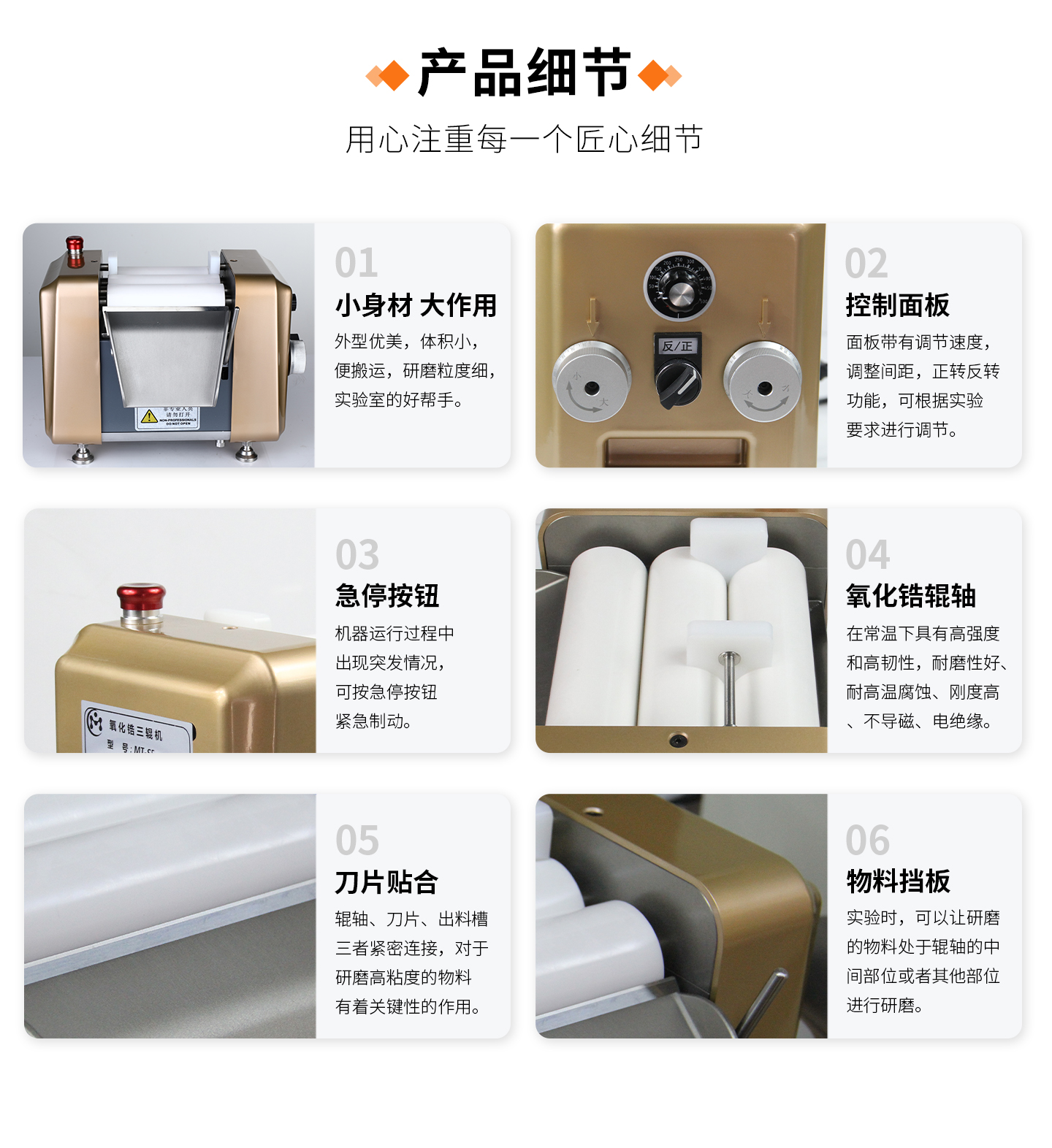
A three-roll mill is a grinding and dispersing equipment composed of three rollers made of high-hardness zirconia or alumina ceramic sleeves, motor electrical control circuits, and a series of transmission components. The three ceramic rollers are divided into a feed roller, a middle roller, and a discharge roller. Under working conditions, the rotational speed of the three rollers increases sequentially, creating shear and grinding effects through high linear speed differences.
The fineness achievable with this machine is **one of the best** among wet grinding equipment. The roller gap is manually adjustable, and the mechanism is simple and reliable. It is suitable for processing high-viscosity materials, offering excellent grinding fineness, high efficiency, uniform particle size distribution, no dead corners, clean discharge, minimal residue, easy cleaning, and convenient color or product changeovers.
IV. Main Technical Parameters