- Products
-
Shops
AI Search

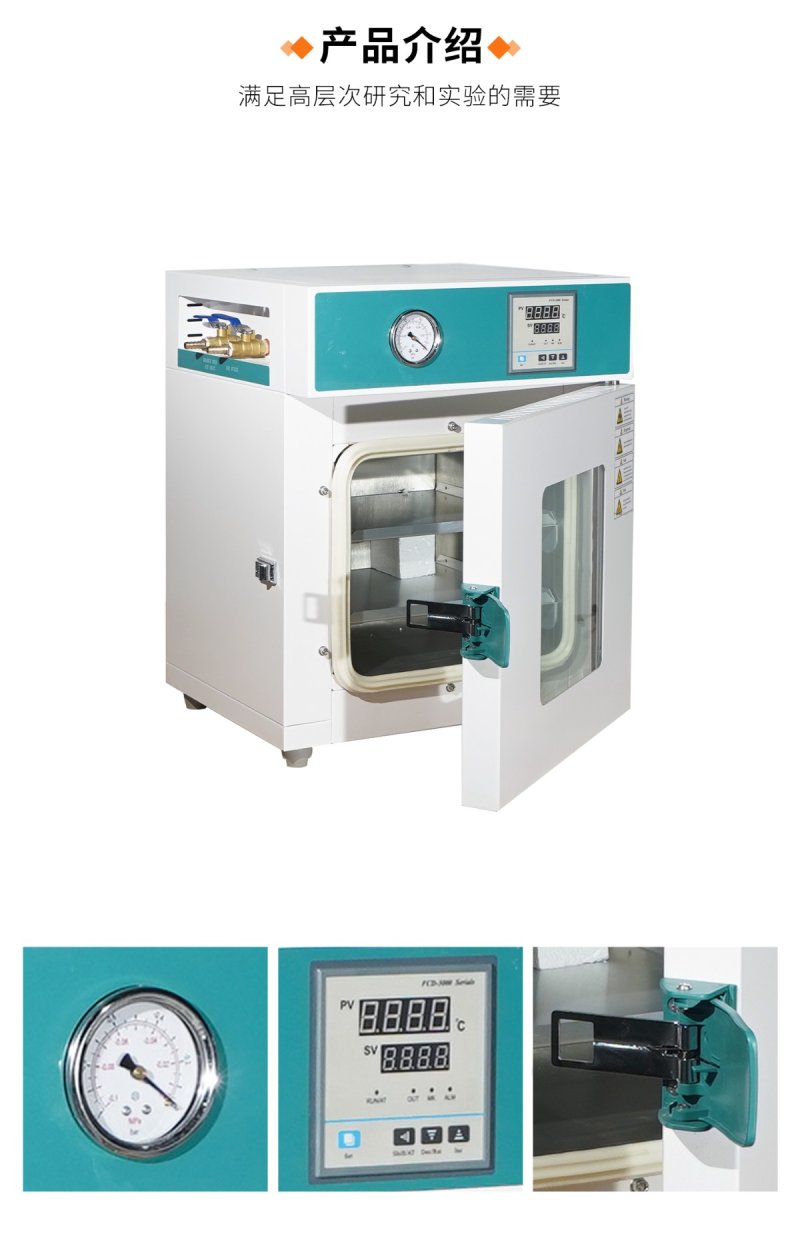
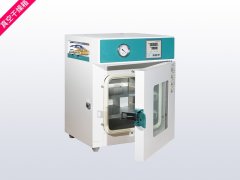
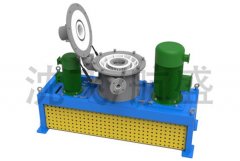
A vacuum drying oven is a laboratory device used for drying materials under a vacuum environment. By reducing the air pressure, it allows moisture to evaporate at low temperatures, making it suitable for heat-sensitive, easily decomposable, or complex-component materials.
Vacuum environmentBy using a vacuum pump to extract air and create a low-pressure environment, the boiling point of moisture on the material's surface is lowered (typically below 100°C), enabling rapid drying.
Heating and Temperature ControlEquipped with a heating system (such as heating wires or steam heating) and an intelligent temperature controller, it precisely regulates temperature (0–200°C) to prevent high temperatures from damaging heat-sensitive substances.
Inert gas protectionIt can be filled with inert gases such as nitrogen to prevent oxidation and deterioration, making it especially suitable for scenarios with high purity requirements, such as pharmaceuticals and electronic components.
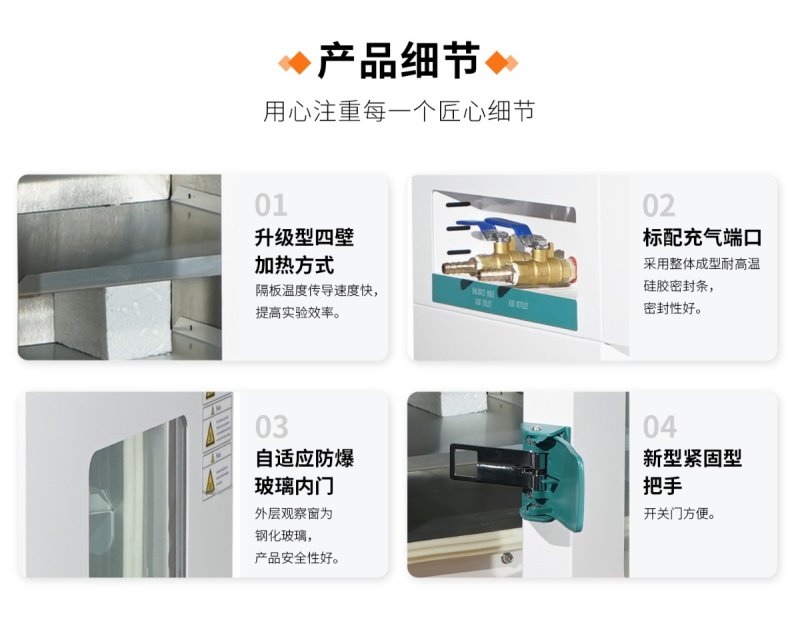
Vacuum systemIncludes a vacuum pump, vacuum gauge, valves (solenoid valve controlled), and an air release valve to ensure stable vacuum levels.
Heating systemIt consists of a heater, a temperature sensor (such as Pt100), and a heating element, supporting multi-level temperature adjustment.
Structural DesignThe shell is mostly made of stainless steel or carbon steel plate, with insulation material filled inside; the door seal uses silicone rubber sealing and is equipped with an observation window or sight glass.
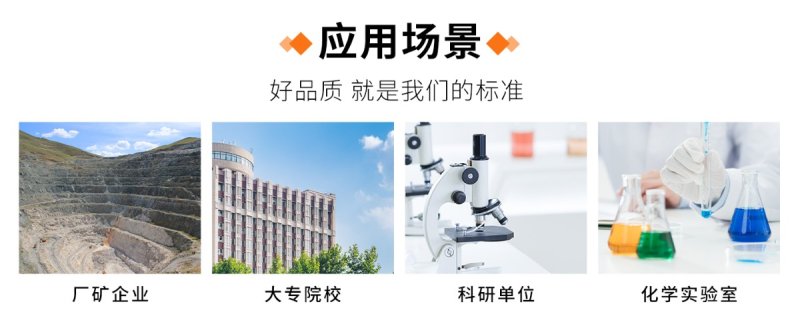
Pharmaceutical and Chemical IndustriesDrying heat-sensitive substances such as pharmaceuticals, cosmetics, and chemical raw materials to ensure the stability of active ingredients.
Food and ElectronicsPreserve the nutritional value and taste of food, and dry the surface moisture of electronic components to enhance reliability.8。
Scientific Research and MaterialsUsed in scenarios such as chemical synthesis, material heat treatment, and glass container sterilization.
Efficient and energy-savingA vacuum environment reduces the re-evaporation of moisture, thereby improving drying efficiency.1。
High securityPrecise temperature control prevents overheating and material decomposition.
Easy to operateEquipped with an intelligent temperature controller and programmable functions, it adapts to complex process requirements.