- Products
-
Shops
AI Search

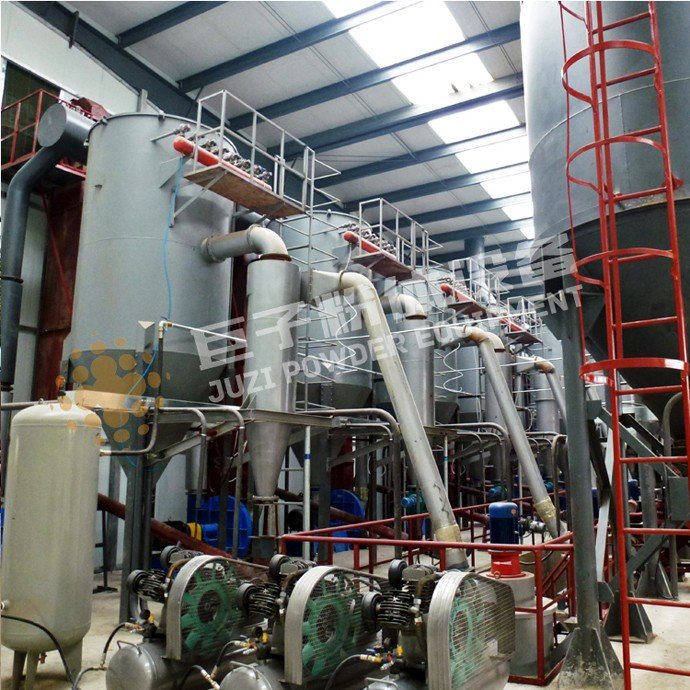
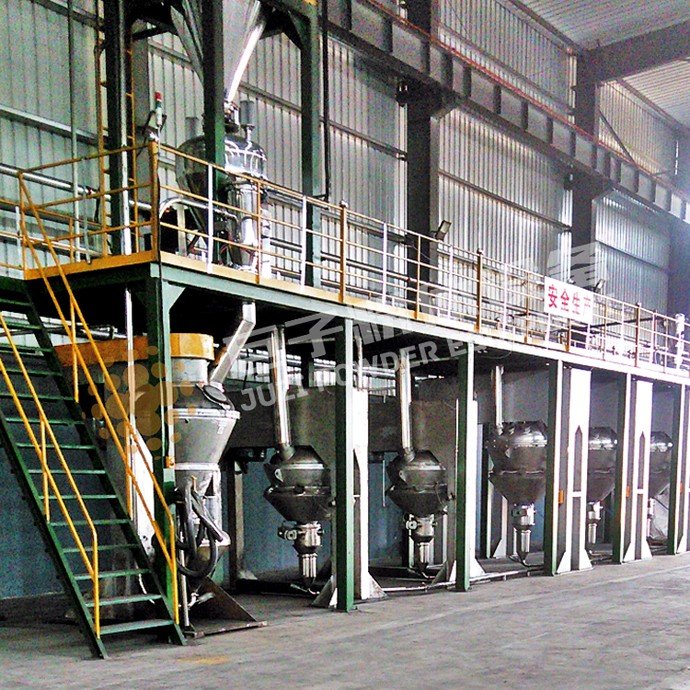
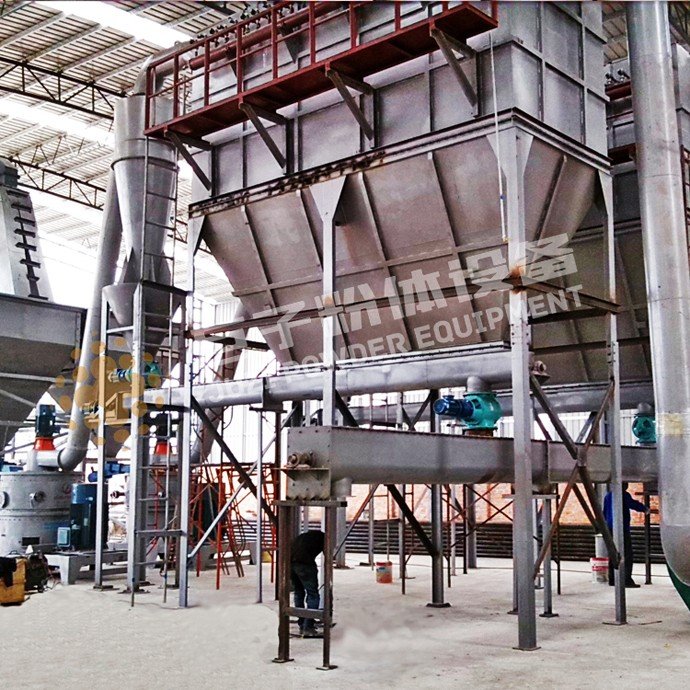
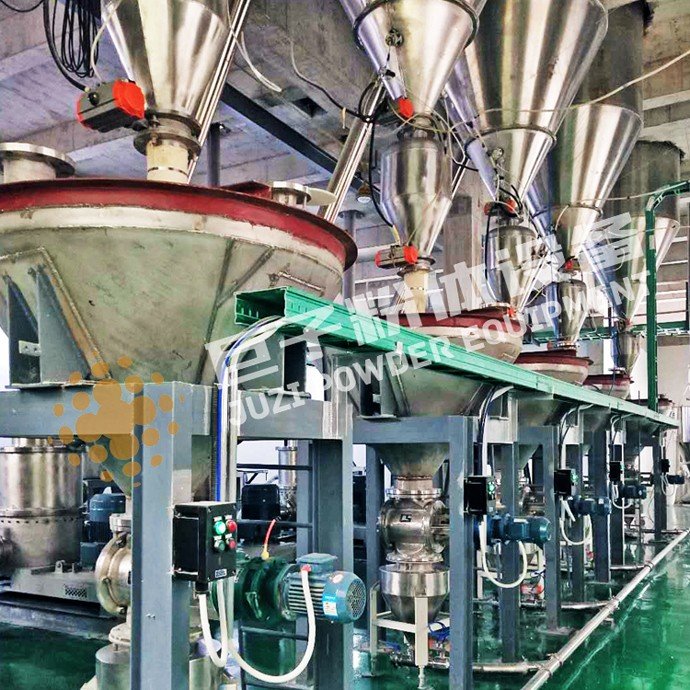
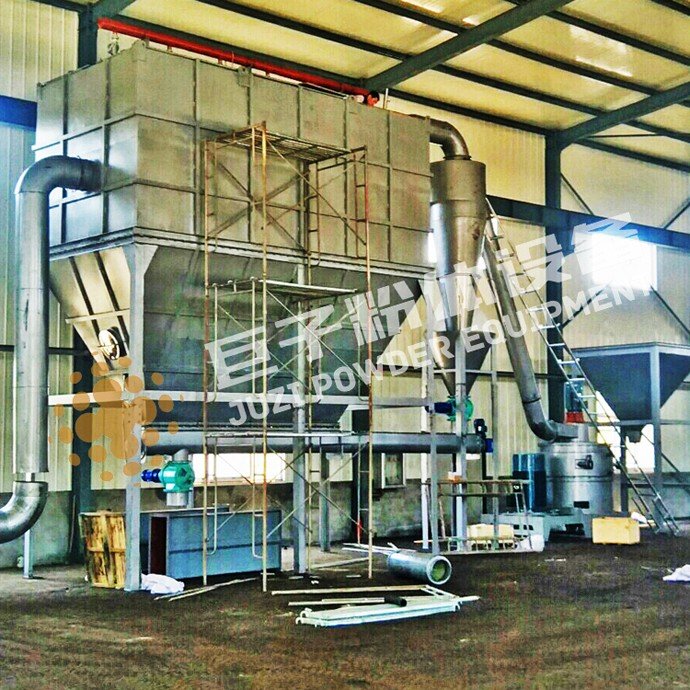
The impact ultrafine pulverizer utilizes the hammers, blades, rods, and other components on a high-speed rotating rotor to impact the material being crushed. Through the intense impact between the material and the rotor, the high-speed collisions among the rapidly flying materials, and the shear grinding between the rotor and the stator or chamber wall, it achieves the goal of ultrafine pulverization of the material. This technology is widely applied in the ultrafine processing of minerals such as hard kaolin, talc, graphite, calcite, wollastonite, barite, pyrophyllite, as well as Chinese herbal medicines and raw materials.
A graded impact mill utilizes hammers, blades, rods, or other components on a high-speed rotating rotor to impact the material being crushed. Through the intense impact between the material and the rotor, high-speed collisions among the rapidly flying material particles, and the shear grinding between the rotor and the stator or side walls, it achieves the purpose of ultra-fine crushing of the material.
Working principle
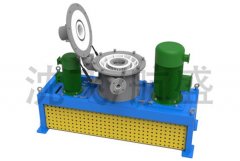
A graded impact mill utilizes hammers, blades, rods, or other components on a high-speed rotating rotor to impact the material being crushed. Through the intense impact between the material and the rotor, high-speed collisions among the rapidly flying material particles, and the shear grinding between the rotor and the stator or side walls, it achieves the purpose of ultra-fine crushing of the material.
Equipment Features
1Suitable for Mohs hardness between3.5The following is the ultrafine grinding process for soft materials.
2The particle size range is finer than that of ordinary mechanical mills. The high-speed mechanical impact mill, equipped with a built-in high-efficiency turbo classifier, allows qualified fine powder to be discharged immediately after crushing, preventing over-grinding. It can produce products with a steep particle size distribution curve, with a fineness ofd97=10~74umAdjustable within range.
3The crushing chamber is equipped with an automatic slag discharge device, which can automatically remove hard-to-grind particles and impurities from the material.
4It has the function of breaking up and dispersing agglomerated materials.
5High-volume airflow means cooling grinding, which can be used for processing heat-sensitive materials without sedimentation issues.
6Fully enclosed negative pressure operation, no dust pollution.
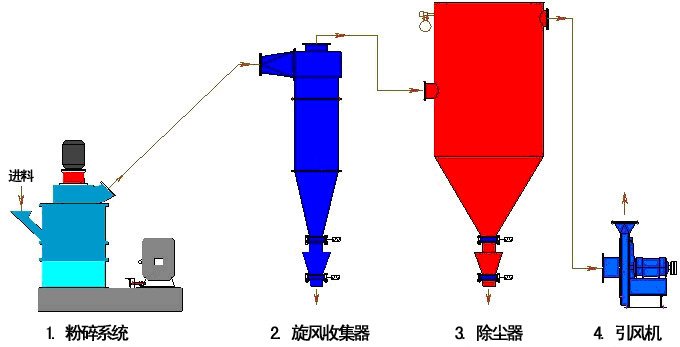
Technological process
Scope of Application
Non-metallic minerals
Typical materials include: Ultra-fine grinding of materials such as hard kaolin, talc, graphite, calcite, gypsum, diatomite, wollastonite, barite, pyrophyllite, and aluminum hydroxide, as well as ultra-fine grinding and dispersion of materials like nano-calcium carbonate and cerium oxide.
Heat-sensitive materials
Typical materials include:Lactose, wax, resin, fat, bone meal, plants, etc.
Ultra-fine processing of Chinese herbal medicines and raw materials
Typical materials include:Pollen, hawthorn, shiitake mushrooms, pearl powder, stomach medication, nimodipine, antibiotics, reishi mushroom, gallnut, fleeceflower root, andrographis, mint, houttuynia, fern root, kudzu root, isatis root, etc.
Main Technical Parameters
Customers need to provide their own: dust cleaning air pump and the wires, cables, and other accessories between the power distribution room and the main unit.