- Products
-
Shops
AI Search

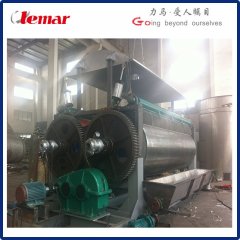
Flaker for cooling viscous liquids, 300 kg
A viscous liquid exits the extruder at a temperature of approximately 100–130°C. When the temperature drops below 80°C, it solidifies (note: the solid is very hard, slightly brittle, and unlike crystals in the pharmaceutical industry, it easily adheres to metal surfaces). A suitable flaking machine is required, with the following equipment specifications:
A. Approximately 300 kilograms of material processed per hour
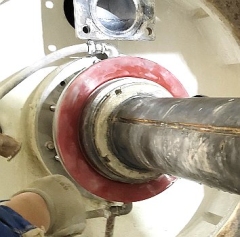
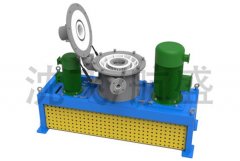
B. After exiting the extruder, the hot material flows onto a rotating drum. Cold water is circulated inside the drum, allowing the hot material to rapidly cool and solidify into a solid. The equipment is equipped with a mechanism that can scrape the hot viscous liquid into thin sheets, ensuring the liquid is evenly distributed on the drum. It also features a scraper with appropriate position, shape, and hardness to remove the solid sheets.
C. After the material solidifies, it may adhere to the drum with a certain degree of strength, so scraping is required.daoThere are certain requirements.
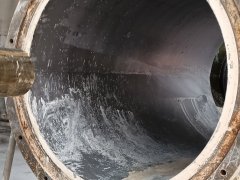
D. The drum surface should be cleanable (or washable), meaning it is easy to clean.
E. The cooling water may come from a tap water tank, which is a type of circulating water.