- Products
-
Shops
AI Search

**Product Overview:**
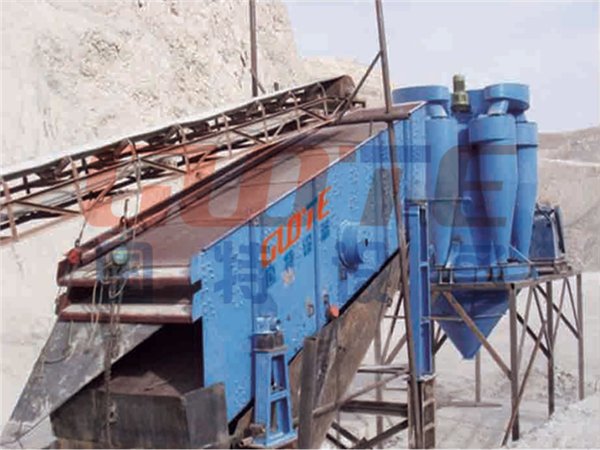
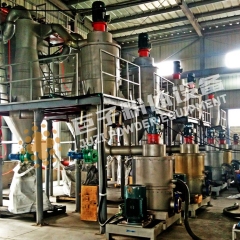
GTZXHigh-efficiency heavy-duty vibrating screen is a new type of high-efficiency general-purpose screening equipment, with the motion trajectory of its screen box being approximately linear. This series of screening machines features a simple structure, high screening capacity, low energy consumption, and easy maintenance. It is widely used in industries such as mining, coal, electric power, metallurgy, building materials, and refractory materials for the classification of large block materials as well as medium and small granular materials.
Product Advantages:
1. The screen surface comes in various forms such as metal woven mesh, bar screens, and perforated plates. It can be designed with either a single-layer structure or multiple layers to meet the requirements of different screening operations.
2. Simple structure and easy to operate, aesthetically pleasing appearance, high overall machine rigidity and component strength, relatively low energy consumption, and high screening efficiency.
3. It is relatively small in size and light in weight, with high processing capacity per unit volume and weight, making it convenient for system layout and arrangement.
4. The screen surface structure and type feature a modular design, making replacement convenient and capable of meeting operational needs in various environments.。
5. Easy to install and debug, stable and reliable in operation, and simple to operate and maintain.
Working Principle:
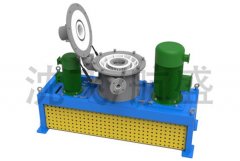
GTZXThe basic working principle of the high-efficiency vibrating screen is that after the screen machine is started, two vibrating motors or exciters of the same model and specification, arranged symmetrically, operate in synchronous reverse rotation. The exciting force generated is transmitted through the vibration transmission body.—The motor or exciter base transmits vibrations to the entire vibrating body—the screen box, causing the screen box to drive the screen surface into periodic vibration. This makes the material on the screen surface perform directional jumping motion along with the screen box. During this process, materials smaller than the screen mesh openings fall through the openings to the lower layer, becoming undersized materials, while materials larger than the screen mesh openings are discharged from the discharge outlet after continuous jumping motion, ultimately completing the screening operation.