- Products
-
Shops
AI Search
Plastic-specific light calcium carbonate
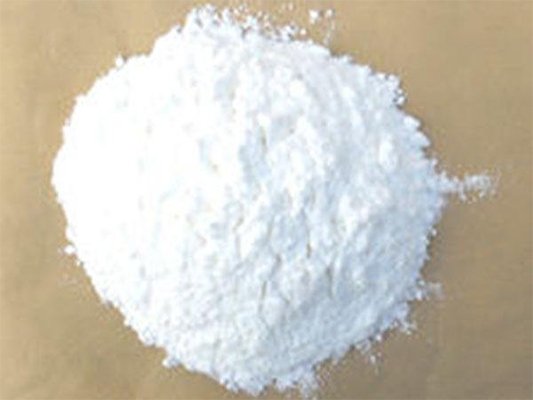
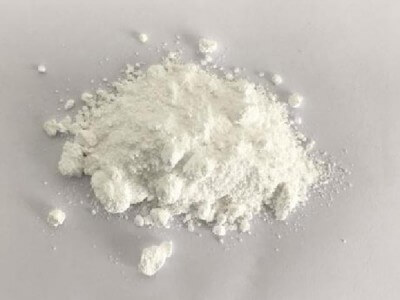
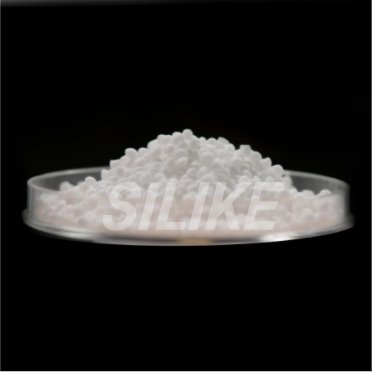
Light Calcium Carbonate, also known as Precipitated Calcium Carbonate (abbreviated as PCC), is produced through chemical processing methods. It is called "light" calcium carbonate because its sedimentation volume (2.4-2.8 mL/g) is larger than that of heavy calcium carbonate produced by mechanical methods (1.1-1.9 mL/g). Its chemical formula is CaCO₃. It reacts with all strong acids to generate corresponding calcium salts (such as calcium chloride, CaCl₂) and release carbon dioxide. At room temperature (25°C), the concentration product of light calcium carbonate in water is 8.7/10²⁹, with a solubility of 0.0014. The pH value of an aqueous solution of light calcium carbonate ranges from 9.5 to 10.2, while the pH value of an air-saturated aqueous solution of light calcium carbonate ranges from 8.0 to 8.6. Light calcium carbonate is non-toxic, odorless, and non-irritating, typically white in color, with a relative density of 2.7 to 2.9. Its sedimentation volume is above 2.5 mL/g, and its specific surface area is approximately 5 m²/g.
In the plastics industry application
Calcium carbonate acts as a skeletal framework in plastic products, significantly contributing to the dimensional stability of the items. It enhances the hardness of the products and improves their surface gloss and smoothness. Adding calcium carbonate to general plastic products can increase their heat resistance. Additionally, since calcium carbonate has a whiteness of over 90%, it can replace expensive white pigments to some extent, providing a whitening effect.