- Products
-
Shops
AI Search
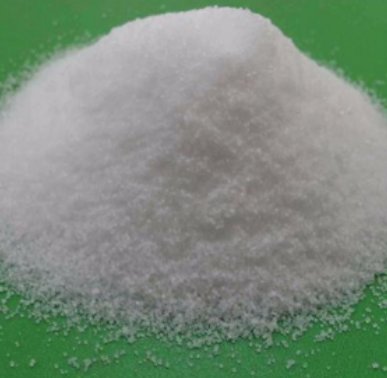
It is an inorganic ionic compound with the chemical formula NaCl, appearing as colorless cubic crystals or fine crystalline powder with a salty taste. Its appearance is white crystalline. It is readily soluble in water and glycerol, slightly soluble in ethanol (alcohol) and liquid ammonia, and insoluble in concentrated hydrochloric acid. Impure sodium chloride exhibits deliquescence in air. It has relatively good stability, and its aqueous solution is neutral. Main uses: When electrolyzing an aqueous solution of sodium chloride, hydrogen, chlorine, and caustic soda (sodium hydroxide) along with other chemical products are produced (commonly referred to as the chlor-alkali industry). Chlorine has a wide range of applications in the chemical industry and can be used to synthesize polyvinyl chloride, pesticides, hydrochloric acid, etc. It is also used in ore smelting (electrolysis of molten sodium chloride crystals to produce reactive metallic sodium) and as a raw material in the ammonia-soda process for producing soda ash. In the inorganic and organic industries, it is used as a raw material for manufacturing caustic soda, chlorates, hypochlorites, bleaching powder, as a refrigerant in cooling systems, as a raw material for organic synthesis, and as a salting-out agent. In the steel industry, it is used as a heat treatment agent. It is also utilized in industries such as glass, dyes, and metallurgy. It is widely applied in sectors including food, medical, and agriculture. The company's annual output is 27,800 tons.