- Products
-
Shops
AI Search

Product Performance
Melting point 2468°C, boiling point 4742°C, density 8.57 g/cm³3At room temperature, niobium isAirstable, inOxygenIt is not completely oxidized even when red-hot. At high temperatures, it directly combines with sulfur, nitrogen, and carbon, and can react with titanium,Zirconium、Hafnium, Tungsten formationAlloyIt does not react with inorganic acids or bases, nor is it soluble in them.Aqua Regia, but it is soluble in hydrofluoric acid.
Application Direction
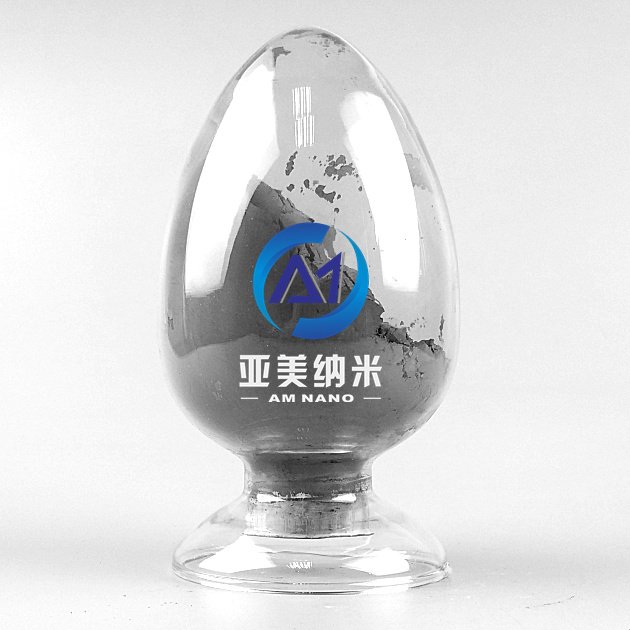
1. Niobium powder is generally produced by powder metallurgy, with a dark gray appearance, used as a processing material and for manufacturing welding electrodes, among other applications.
2. In niobium-zirconium alloys, the elements primarily exist in a solid solution state. When trace amounts of oxygen or carbon are present, or when a small amount of carbon is added, a small quantity of carbides and oxides precipitate in a dispersed manner. Therefore, niobium-zirconium endows the alloy with high strength, good plastic processing performance, and excellent resistance to oxidation and alkali metal corrosion.
3. Superconducting applications: Alloys made from niobium exhibit superconducting properties, with critical temperatures reaching as high as 18.5 to 21 degrees, making them important superconducting materials.
4. Medical applications also play an important role in surgery. They can be used not only to manufactureMedical deviceMoreover, it is a highly biocompatible material.
5. Application in Steel: Among the various microalloying elements in steel, effective microalloying elements play such a significant role that the presence of abundant niobium atoms in iron atoms can achieve the goal of improving steel properties. When added as a microalloying element to steel, it does not alter the structure of iron but instead combines with carbon, nitrogen, and sulfur in the steel to modify its microstructure.
Storage Conditions
This product should be stored in a sealed, dry, and cool environment. It should not be exposed to air for prolonged periods to prevent moisture absorption and agglomeration, which may affect its dispersion performance and effectiveness. Additionally, avoid heavy pressure, keep it away from oxidizers, and transport it as ordinary cargo.