- Products
-
Shops
AI Search

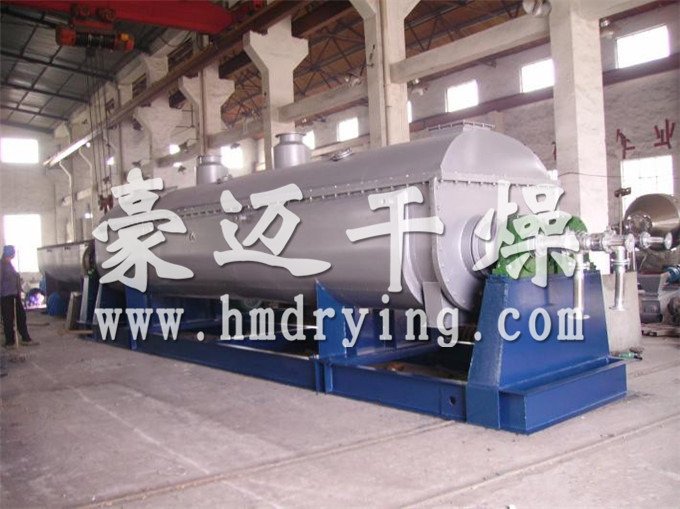
Hollow Paddle Dryer with a Daily Sludge Processing Capacity of 115 Tons
The scale of the project is a daily sludge treatment capacity of 115 tons (based on dewatered sludge with a moisture content of 80%). The project adopts high-pressure diaphragm filter press combined process technology, reducing the moisture content of the sludge leaving the plant to below 60%.
The main construction content of the project includes two gravity thickening tanks and two sludge conditioning tanks each, as well as one deep dewatering room, one filtrate storage tank, and one deodorization unit. The primary focus is on the technical renovation of the sludge dewatering equipment at Jiangkou Wastewater Treatment Plant, replacing the existing belt dewatering machines with advanced plate-and-frame filter presses, and adding deodorization devices to address process issues such as sludge odor.
After treatment with new technology, the moisture content of the sludge has been reduced from over 80% to below 60%, meeting the national ecological landfill standards. At the same time, the daily sludge output has decreased from 40 tons to 20 tons, achieving significant sludge reduction and greatly lowering transportation and landfill costs. In terms of transportation costs alone, nearly 2 million yuan can be saved annually.
Additionally, the dewatered sludge can be considered for use as a construction raw material or in agricultural fields, turning waste into treasure.
Lima Engineering Co., Ltd. specializes in the design and manufacturing of sludge double paddle dryers, which can meet the needs of industries such as printing and dyeing, papermaking, biology, electroplating, thermal power, chemicals, and wastewater treatment plants. Generally, the initial moisture content of dewatered sludge is 80%, and after drying, the final moisture content ranges from 10% to 50%, while the industry requirement for general sludge is around 30%. The dried sludge produced by the sludge double paddle dryer is in the form of loose granular powder, which can be mixed with coal powder and directly fed into boilers for combustion. The calorific value of sludge is approximately 1500-2000 kcal, enabling waste utilization and energy savings. Some dried sludge can also be processed into fertilizers and construction materials, or directly landfilled without causing secondary pollution, turning waste into valuable resources and fully meeting environmental protection requirements.