- Products
-
Shops
AI Search

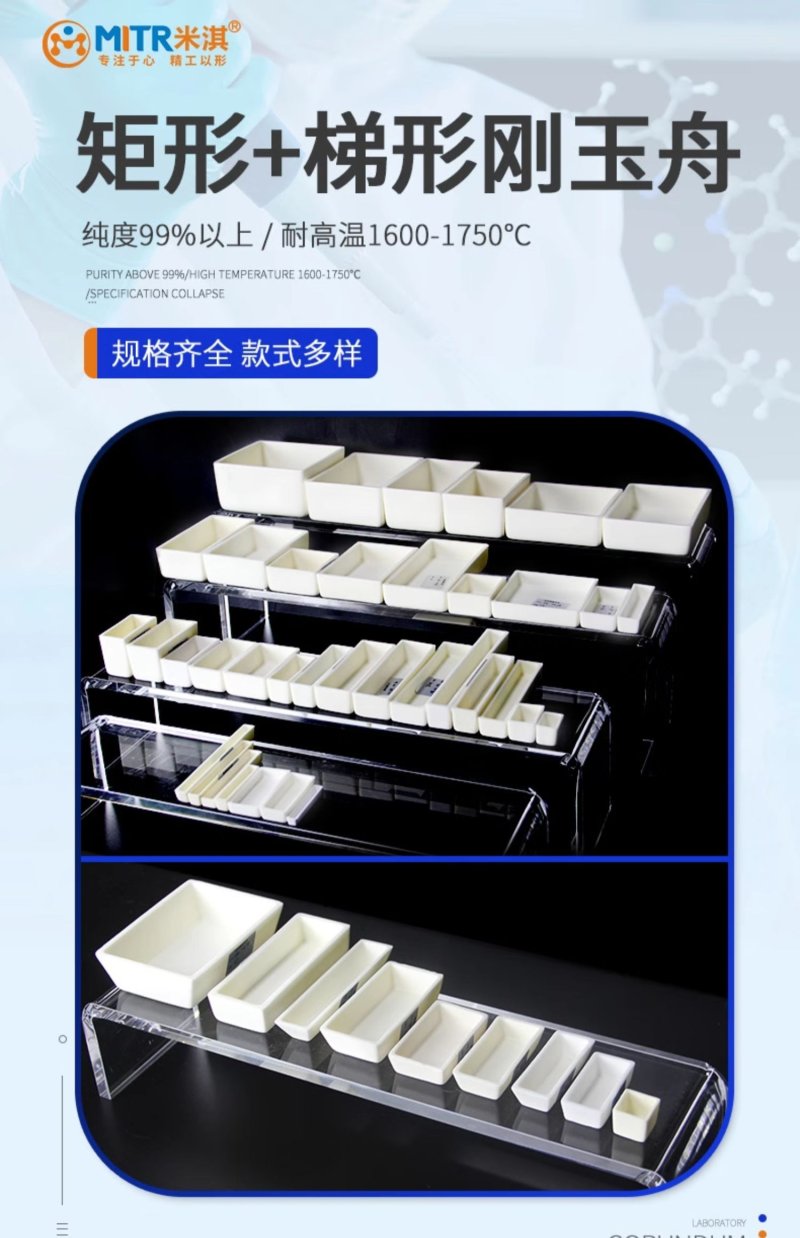
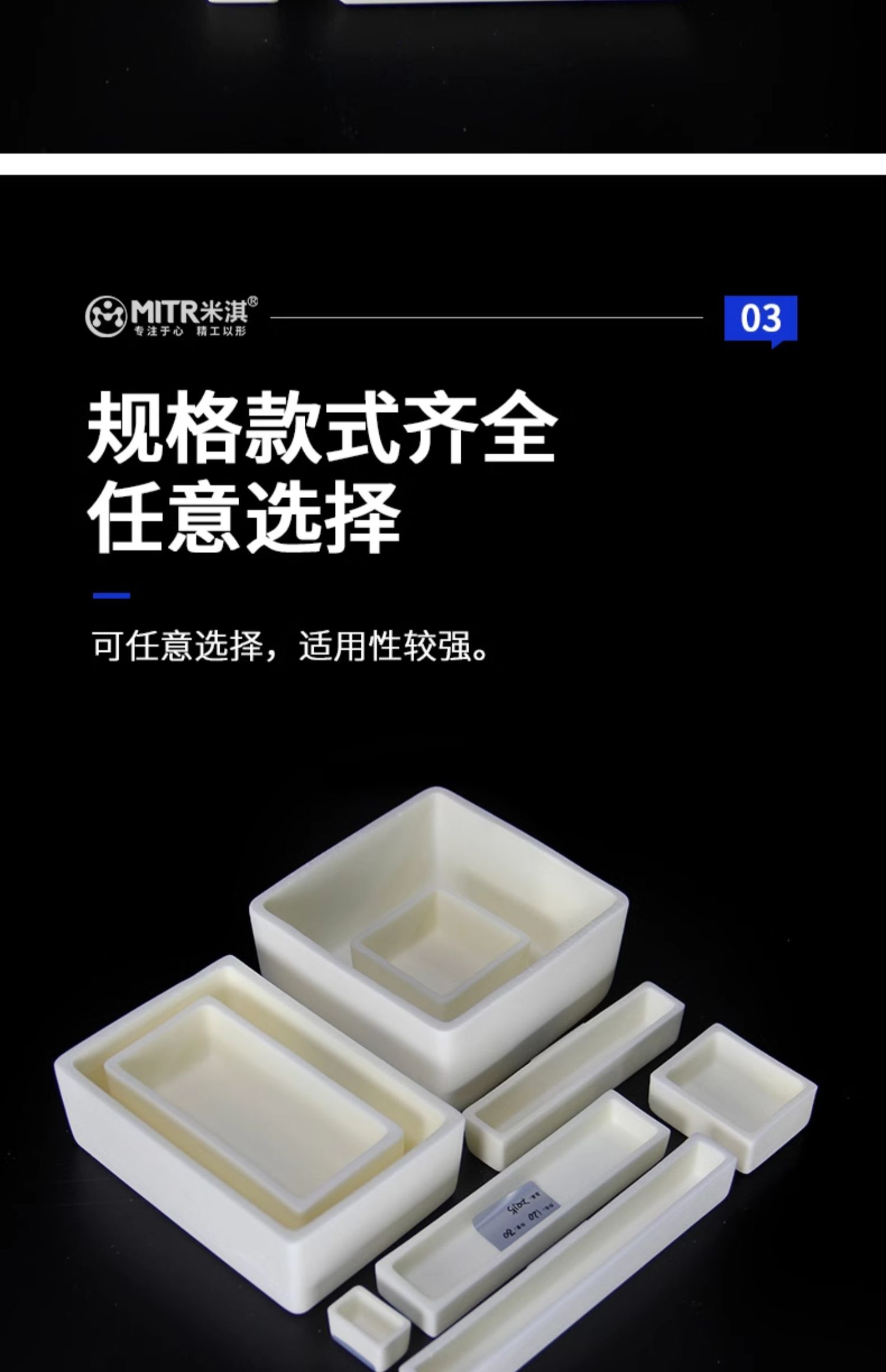
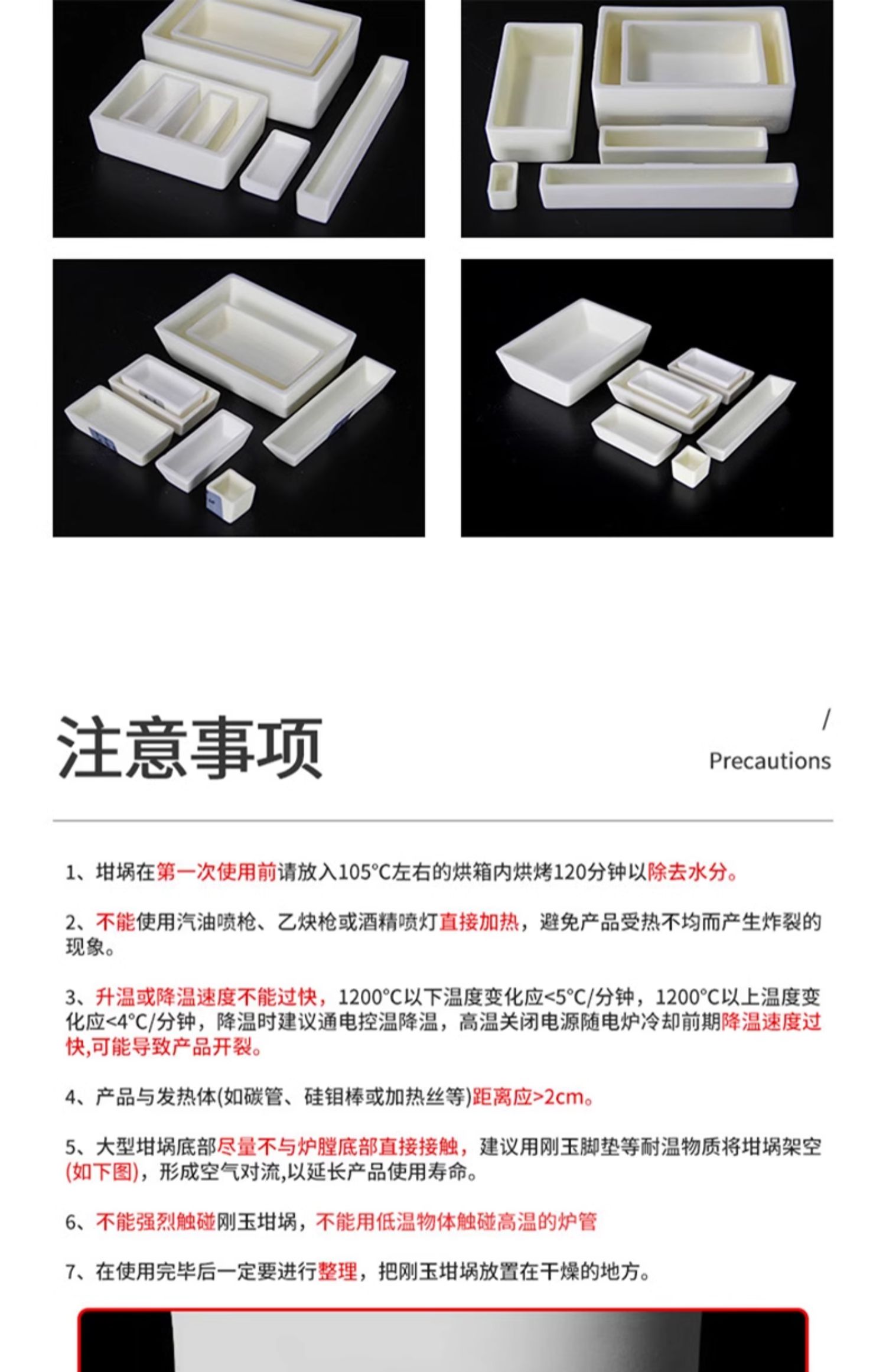
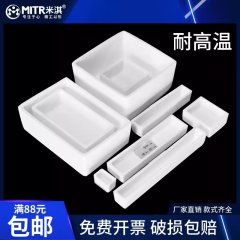
A crucible is a container used for melting and refining liquid metals, as well as for heating and reacting solid-liquid mixtures.
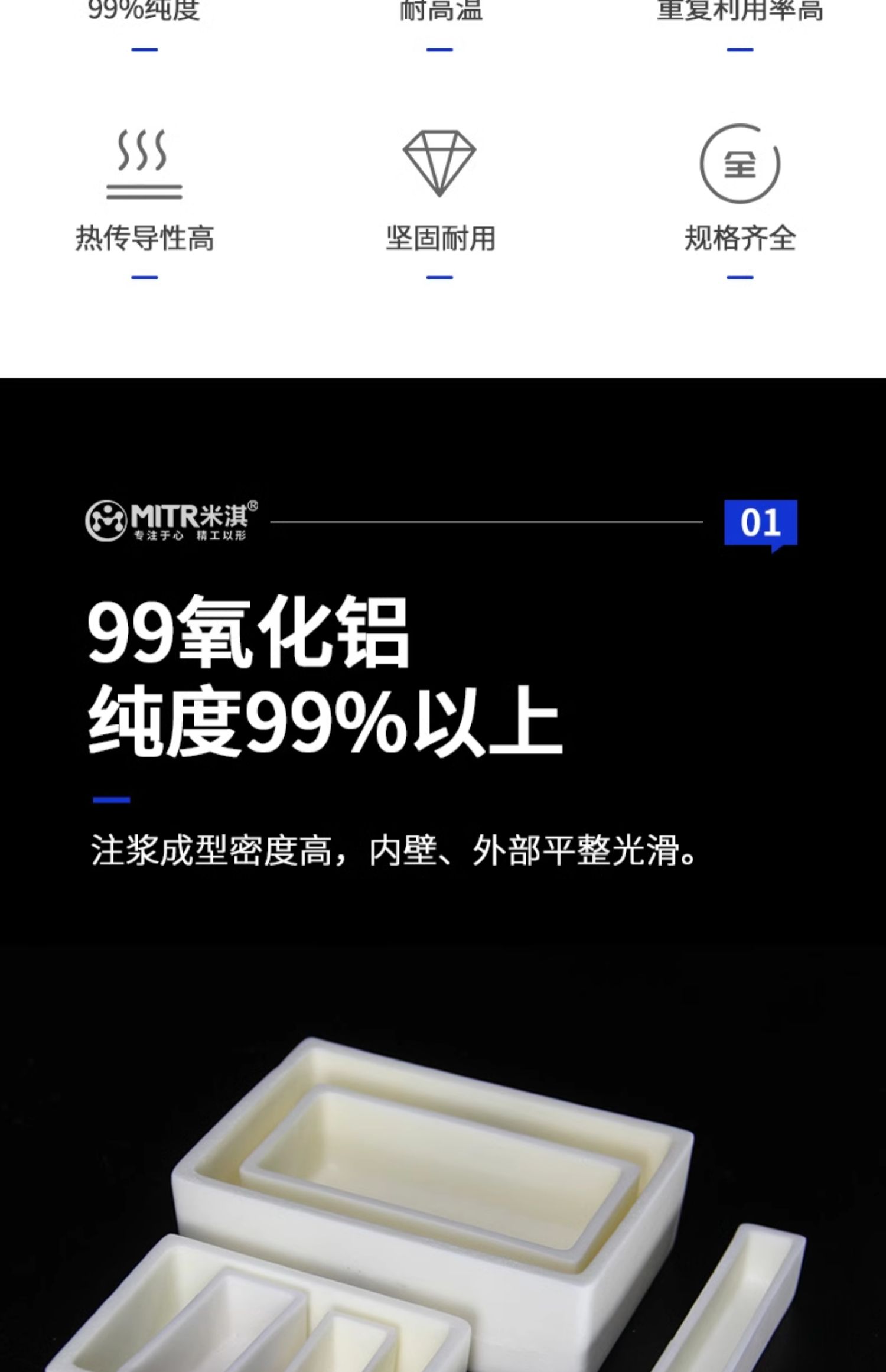
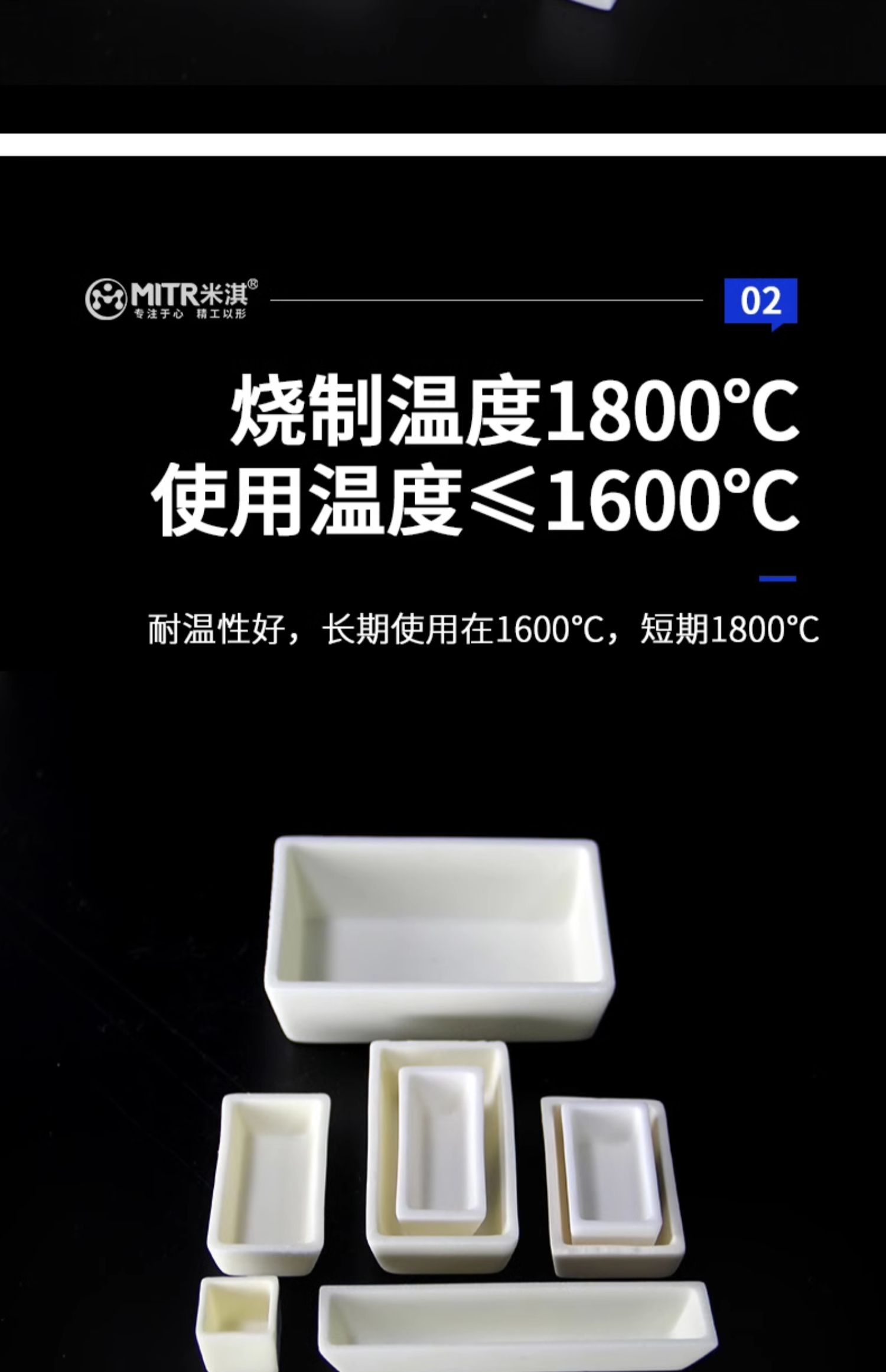
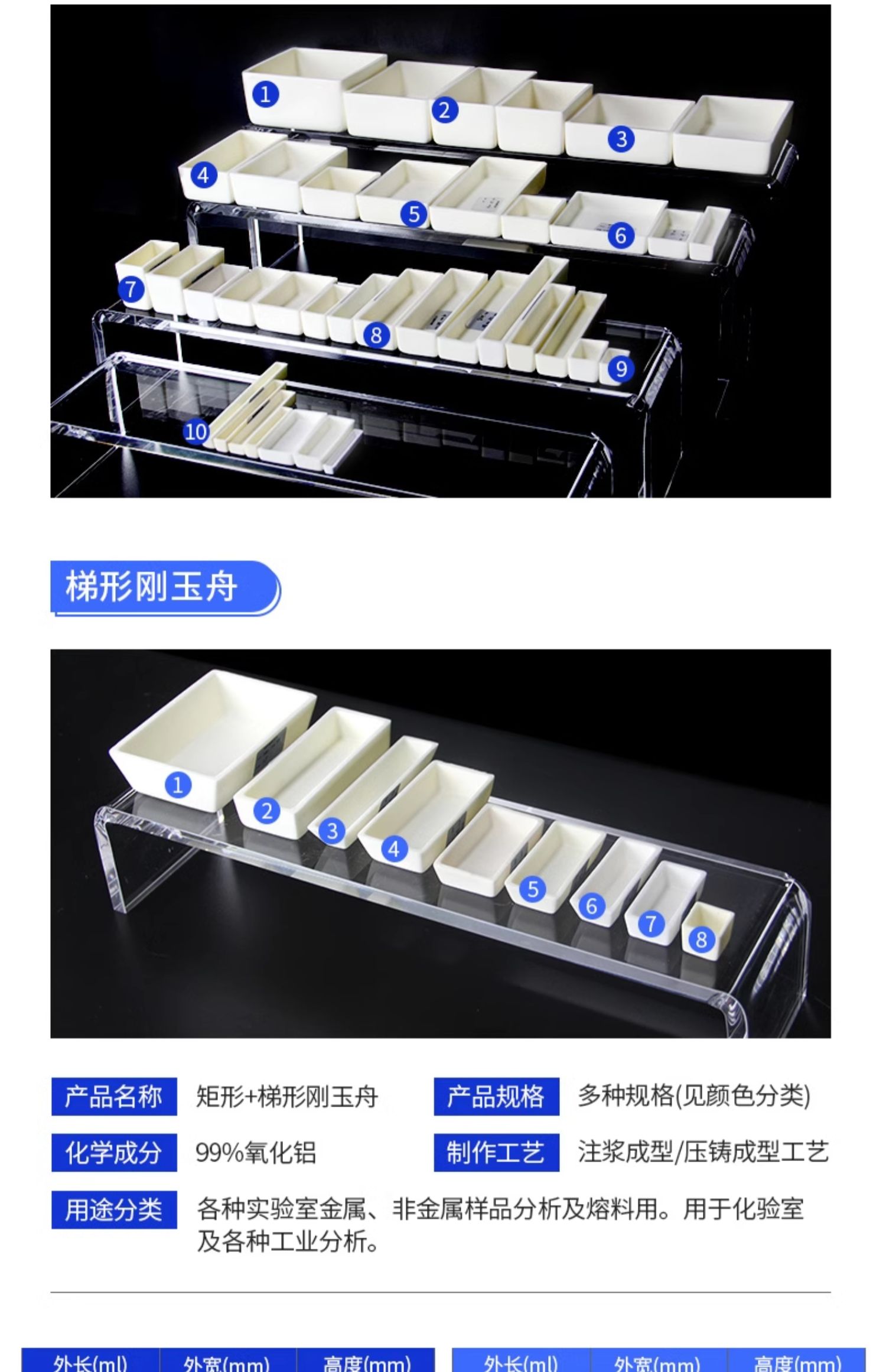
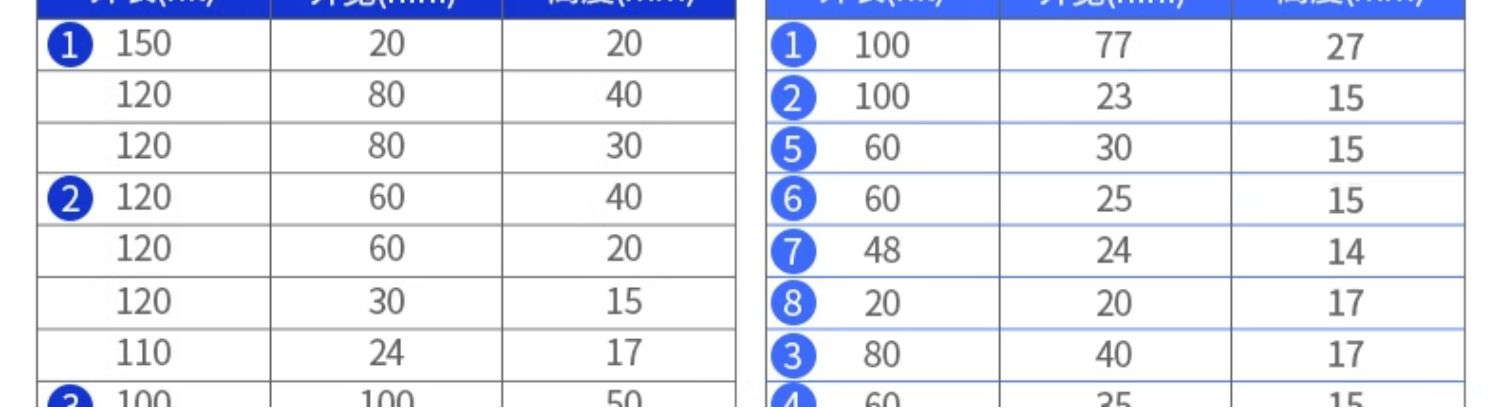
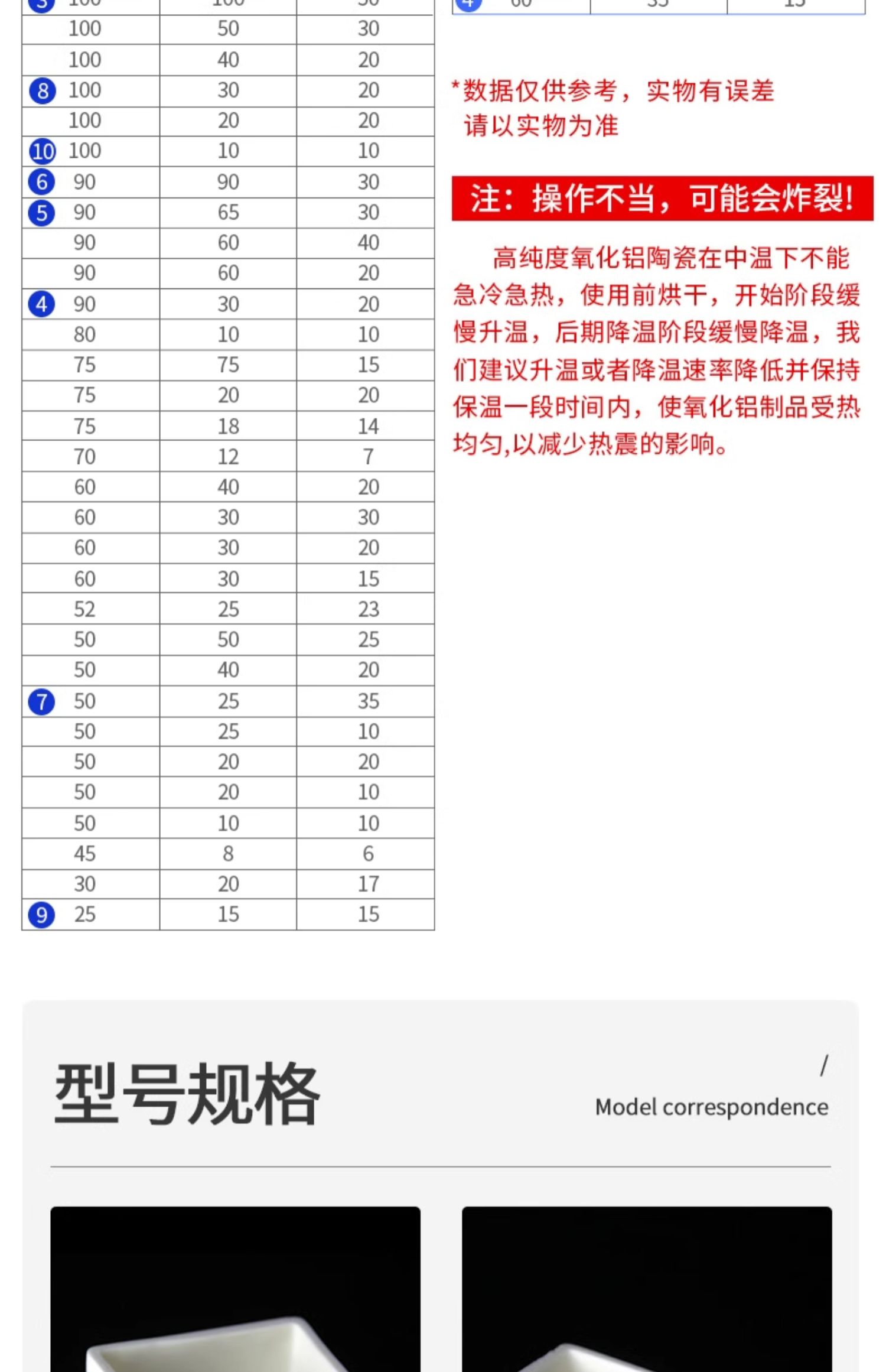
Crucibles are generally made of porcelain, with specifications such as 10, 15, 25, and 50 mL. Types include porcelain crucibles, iron crucibles, and alumina crucibles. Crucibles can withstand high temperatures and are used for igniting precipitates, melting salts that do not react with the crucible, and dehydrating crystalline hydrates. Crucibles are made from materials such as lime, carbon, and various refractory clays. Crucibles can be heated directly with a flame (supported by a clay triangle), but preheating is required. During experiments, crucibles must be handled with crucible tongs, and direct contact with hot crucibles is strictly prohibited to avoid burns. To prevent splashing of solids or contamination by impurities, the lid should be covered during heating. However, if the substance generates a large amount of gas or liquid when heated, the lid should not be covered.
Evaporating dishes are resistant to high temperatures but not to sudden cooling or heating; they generally require a wire gauze pad when heated. Crucibles, on the other hand, can be heated directly with a flame.