- Products
-
Shops
AI Search

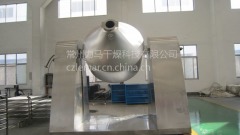
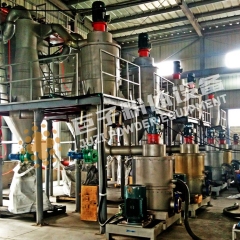
5 cubic meter lithium iron phosphate double-cone rotary vacuum dryer
The volume of the biconical shape is 5 cubic units.
Inner wall temperature of the double-cone cylinder: room temperature to 170°C (heated by thermal oil, which is to be provided by the purchaser). The heating structure of the thermal oil tank (container) is designed to be reasonable, reliable, and durable.
Vacuum degree (pressure inside the tank): can reach -0.09 to -0.095 MPa. The tank must be well sealed to prevent powder oxidation and spoilage.
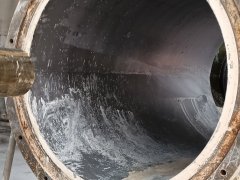
Inner liner: SUS304 Surface coating (wear-resistant, resistant to pH 7-11 powder, and resistant to high temperatures of 170-200°C). The drying process does not introduce magnetic substances such as chromium, nickel, or elemental iron (the increase after drying is ≤30 ppm).
The vacuum system bag filter consists of a perforated plate with temperature-resistant coated filter bags, followed by filtration, condensation, and buffer devices.
After drying, the moisture content of the powder shall be ≤500ppm (tested according to GB/T6283 method). Operating environment: ≤30% drying room (provided by the purchaser).
24h (including heating and cooling time) output: ≥2500kg.
5 cubic meter lithium iron phosphate double-cone rotary vacuum dryerCharacteristics
Double-cone Rotary Vacuum DryerIt is a new type that integrates mixing and drying into one unit.Dryer. Connect the condenser, vacuum pump, andDryerEquipped with supporting components to form a vacuum drying device. (If solvent recovery is not required, the condenser can be omitted.) This machine features advanced design, a simple internal structure, easy cleaning, complete discharge of materials, and convenient operation. It reduces labor intensity and improves the working environment. Additionally, as the container rotates, the materials also move, preventing accumulation on the walls, resulting in a high heat transfer coefficient and fast drying rate. This not only saves energy but also ensures uniform and thorough drying of materials with excellent quality. It is widely applicable for drying in industries such as pharmaceuticals, chemicals, food, and dyes.