- Products
-
Shops
AI Search

Working Principle Introduction
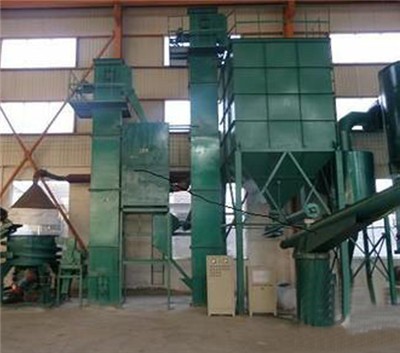
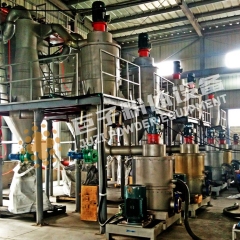
The raw sand is added into a rotating heating furnace through a feeding device. When the heating furnace rotates forward, the sand does not spill out. It is heated to a certain temperature inside the furnace drum, and then the sand mixer is started to discharge the sand into the mixing chamber of the sand mixer. In the mixing chamber, the sand is thoroughly mixed with resin, followed by the addition of an aqueous solution of hexamethylenetetramine. When the sand is about to become loose, calcium stearate is added, and mixing continues for another 45 seconds before discharging. The discharged sand flows into a vibrating cooling screen beneath the sand mixer, where it is fully cooled and then stored for later use. Phenolic resin determines the strength of the sand, hexamethylenetetramine acts as a curing agent, and calcium stearate enhances the flowability of the sand. After being heated in the drum heating furnace, the sand is discharged into the mixing chamber, where resin and other materials are added to produce the final product.
1. The raw sand is fed into a rotating heating furnace via a hopper bucket elevator.
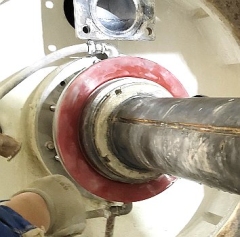
2. When the heating furnace rotates forward, the sand will not spill out; it is heated inside the furnace drum. Start the sand mixer to discharge the sand into the mixing chamber of the sand mixer.
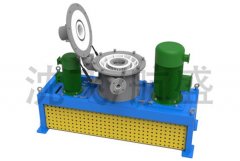
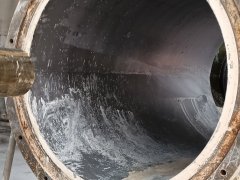
3. Add resin to the sand in the mixing chamber of the sand mixer and mix thoroughly. Add the hexamine aqueous solution, and when the sand is about to become loose, add calcium stearate and discharge the sand.
4. The removed sand flows into the vibration cooling screen beneath the sand mixer, where it is fully cooled and then stored for later use.