- Products
-
Shops
AI Search


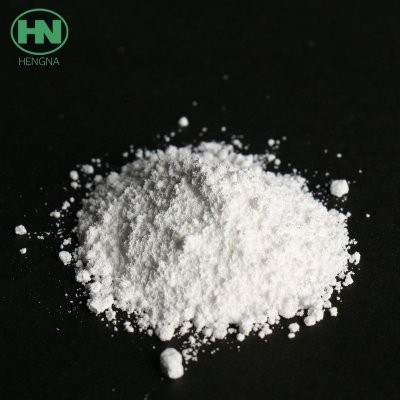
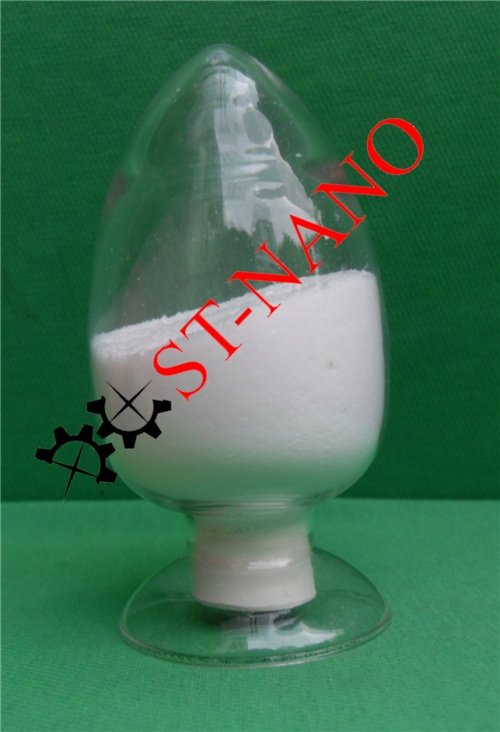
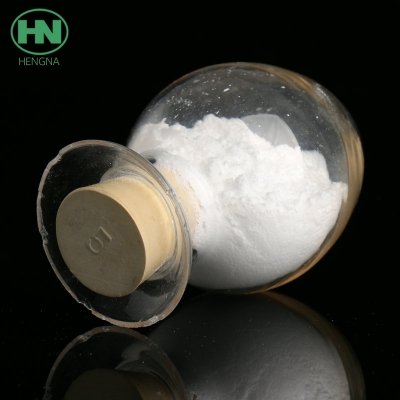
Battery material nano-silicon dioxide
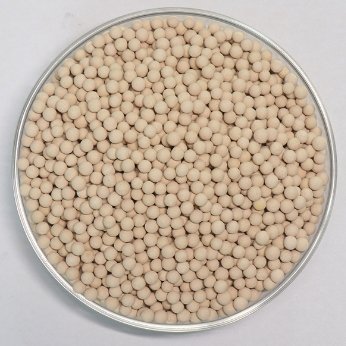
Product Description: This product is specifically designed for the characteristics of batteries, utilizing advanced nanotechnology to surface-treat nano-silica for preparation. The product features high content, uniform particle size, and excellent activity. Adding a certain proportion of nano-silica (HN-SP15D) to batteries can significantly enhance their electrochemical performance, including mechanical properties, conductivity, elongation at break, cycling performance, and lifespan. Therefore, nano-silica holds great application value in the battery field.
Technical Indicators:
Application Features:
1. The colloidal electrolyte prepared with nano-silica has strong gelling ability and suitable viscosity. The resulting colloidal electrolyte is soft, exhibits good thixotropy, and has a moderate three-dimensional network structure. It features low resistance, high discharge current, and high capacitance, without experiencing hydration stratification. Additionally, it can significantly extend the cycle life of the colloid.
2. Adding nano-silica to the separator can increase the pore size and the total amount of colloidal electrolyte. It prevents electrolyte stratification, reduces the corrosion rate, and extends the service life. The addition of nano-SiO₂ can enhance the tensile strength of the separator while reducing its pore size. When the pressure on the separator exceeds 30 kPa, the liquid absorption capacity of the separator with nano-SiO₂ surpasses that of a pure glass wool separator.
3. A secondary lithium battery separator made by adding nano-silica to a composite polymer exhibits high liquid absorption rate, electrical conductivity, and toughness. The electrolyte absorption rate reaches 184.4%, the room-temperature conductivity is 1.20 mS/cm, and the elongation at break is as high as 163%. The secondary lithium battery assembled with the composite polymer separator containing nano-silica shows an initial discharge specific capacity of 834.8 mAh/g, a 40th-cycle discharge specific capacity of 400 mAh/g, and a cycling efficiency of over 99.8%, demonstrating excellent electrochemical performance.
4. Nano-SiO2 can reduce the crystallization rate of polymer systems, allowing them to remain in an amorphous phase state for a longer period of time.
5. The granular nano-silica between the positive and negative plates maintains the consistency of the electrolyte in the battery and provides voids through which oxygen can pass, significantly reducing dry-out failures.
6. Introducing nano-SiO₂ through in-situ composite method is beneficial for enhancing the conductivity of P(VDF-HFP)-based microporous polymer electrolytes.
7. Nano-silica particles can absorb moisture from the liquid electrolyte, thereby reducing interfacial reactions.
8. In polymer lithium batteries, the addition of nano-silica powder can significantly improve the microstructure and mechanical, electrical, and other properties of the electrolyte membrane, endowing the electrolyte separator with excellent conductivity and mechanical strength.
Recommended dosage: 0.2-2%. Customers can select the appropriate amount based on actual conditions through testing.
Packaging: 10 kg/bag